
 Seller
Best Seller
Seller
Best Seller
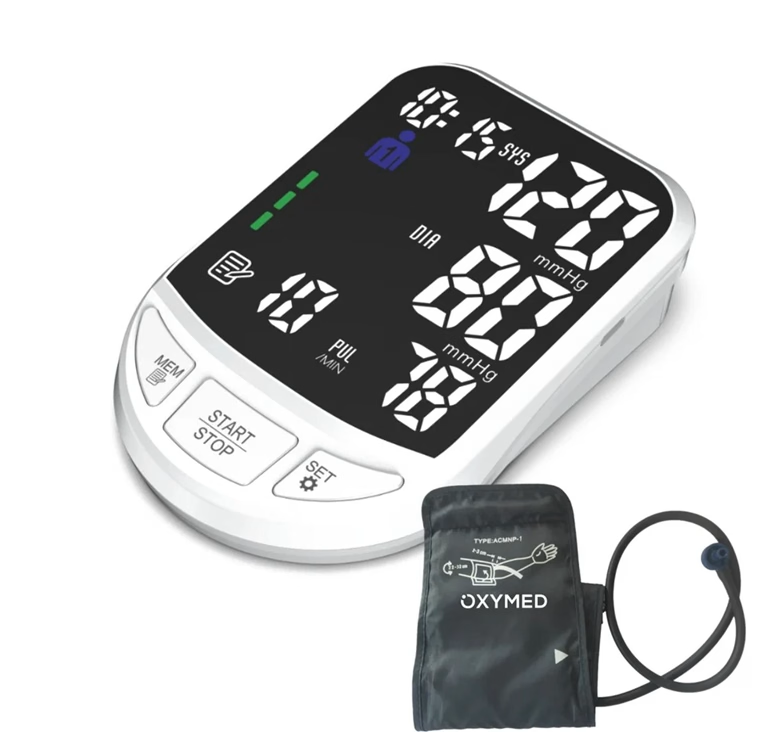
NRs. 3,500
Check the latest blood pressure monitor price in Nepal. Buy digital, automatic, upper arm, and wrist BP monitors with warranty and fast delivery.
Seller
Best Seller
 Seller
Best Seller
Seller
Best Seller
 Seller
New
Seller
New
 Seller
 Seller
 Seller
 Seller
 Seller
 Seller
 Seller
 Seller
 Seller
 Seller
 Seller
 Seller
New
Seller
New
 Seller
 Seller
 Seller
 Seller
 Seller
 Seller
 Seller
 Seller
 Seller
 Seller
 Seller
Try a different search or clear the filters.
Blood pressure monitors help measure blood pressure at home, during routine follow-up and in clinical training. The right device depends on measurement method, cuff size, validation status, ease of use and the features required for the monitoring routine. VisionX offers automatic upper-arm, wrist and manual aneroid blood pressure monitors across a range of budgets and use cases.
For routine home monitoring, an automatic upper-arm monitor with an appropriately sized cuff is generally the best starting point. A wrist monitor may suit portability or specific upper-arm limitations, while a manual aneroid monitor is better suited to users trained in auscultatory blood pressure measurement.
| Monitoring need | Recommended type | Features to prioritise | Example |
|---|---|---|---|
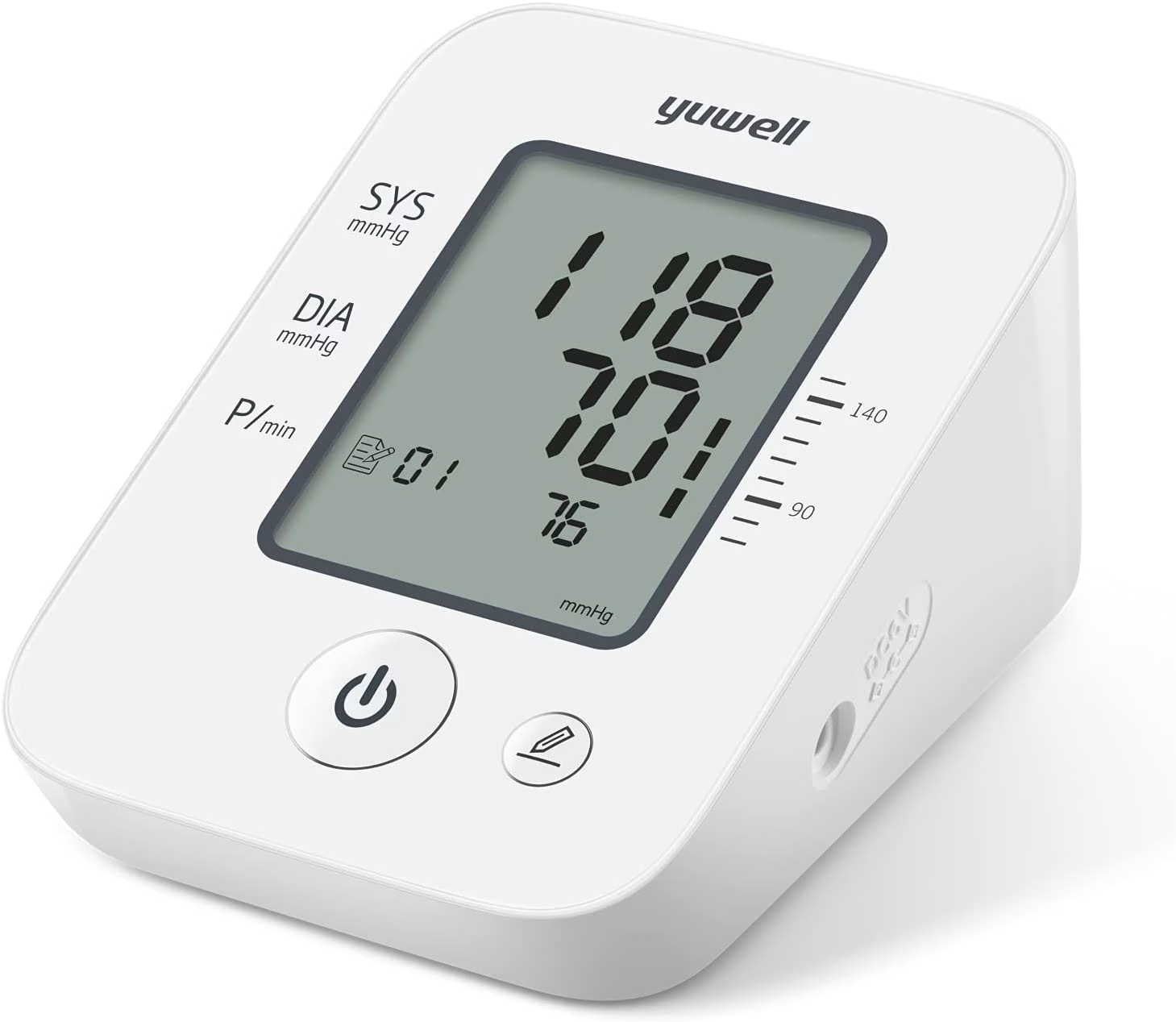
| Everyday home monitoring | Automatic upper-arm | Simple operation, readable display, correct cuff size | Yuwell YE610D |
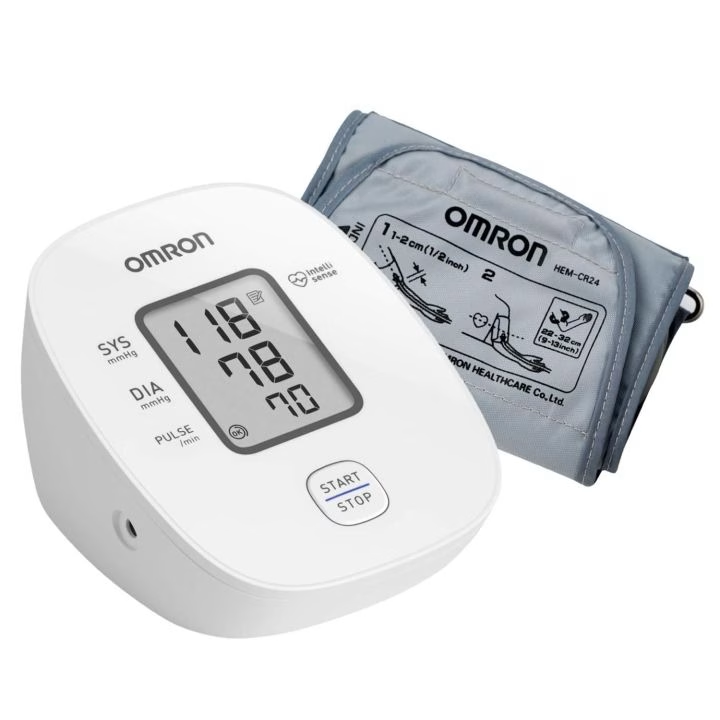
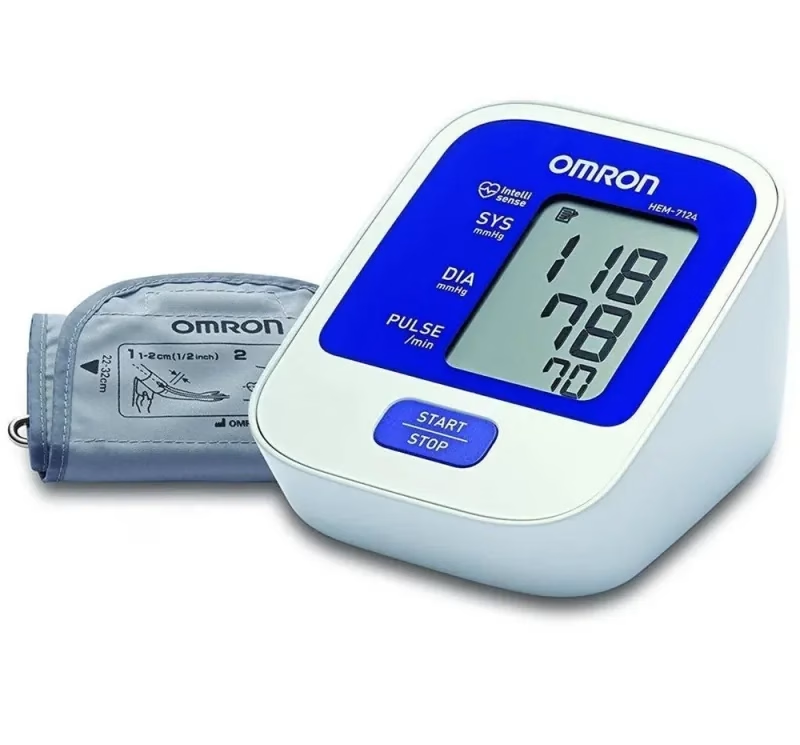
| Older adults | Automatic upper-arm | Easy controls, clear display, appropriate cuff | Omron HEM-7121J |
| Two-adult household | Automatic upper-arm | Wide-range cuff, separate user memory | Oxymed BPDTM01 |
| Routine BP monitoring | Automatic upper-arm | Appropriate cuff, recognised validation evidence where available | Microlife / Omron / Yuwell models |
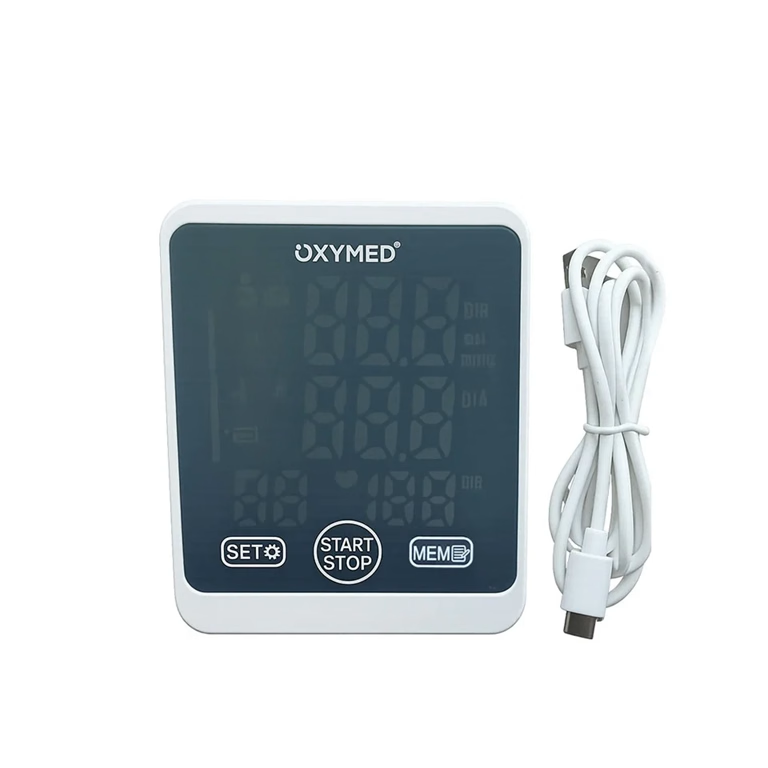
| Irregular heartbeat indication | Automatic upper-arm | IHB detection | Oxymed BPCO-01 |
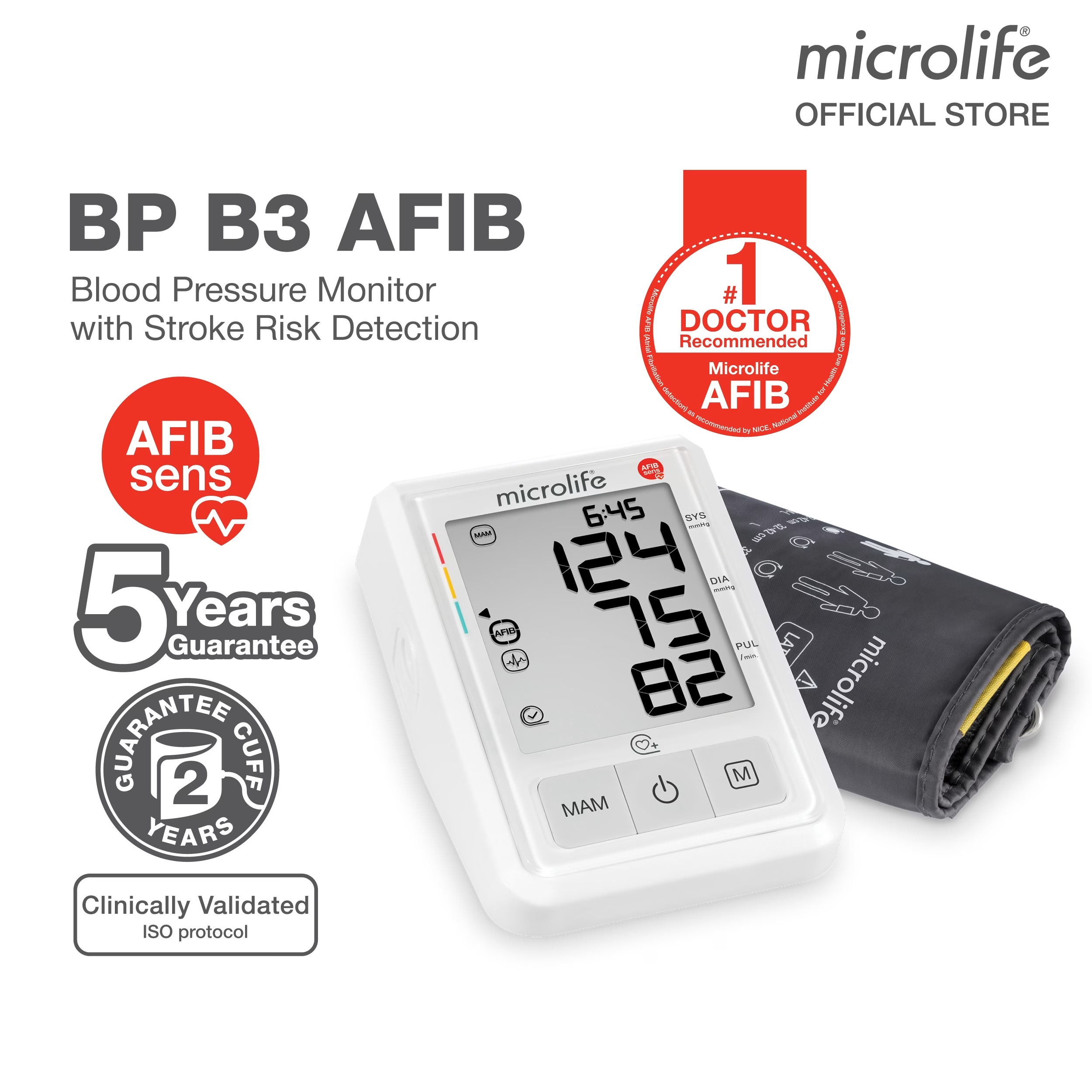
| AFib detection feature | Automatic upper-arm | Dedicated AFib detection | Microlife BP B3 AFIB |
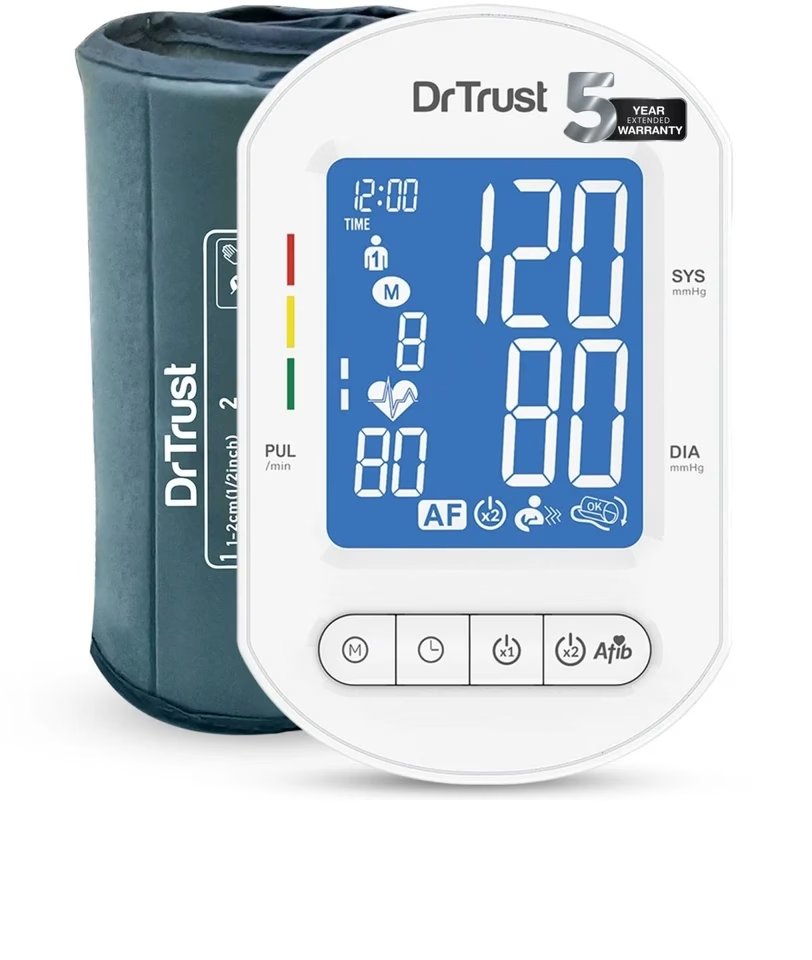
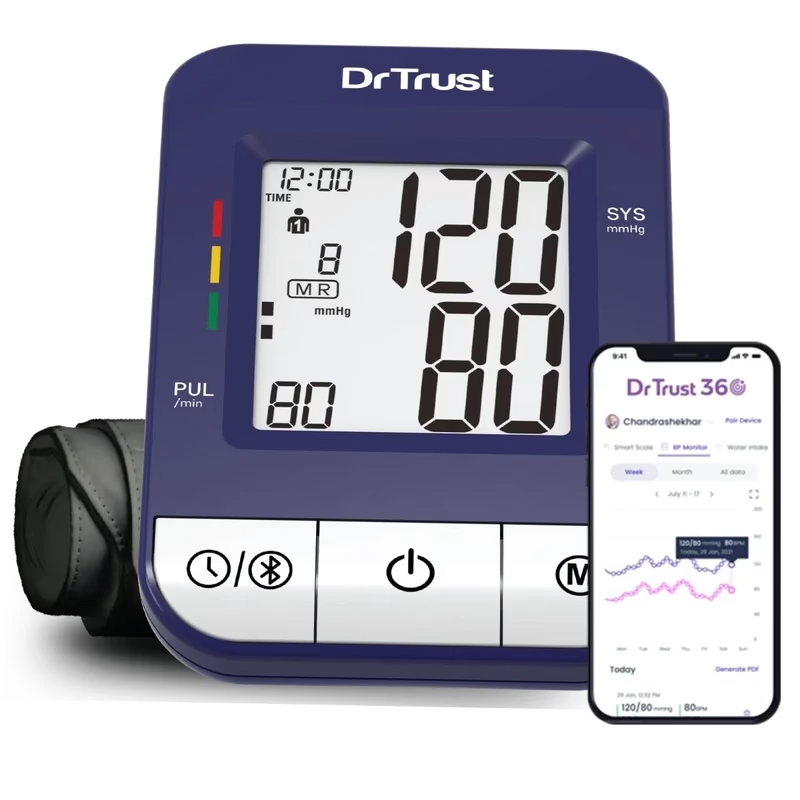
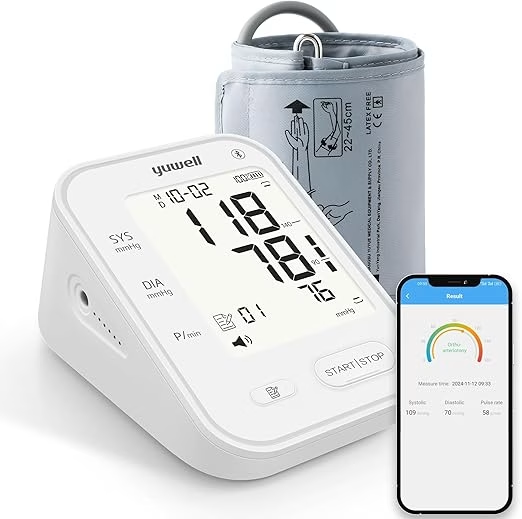
| Connected monitoring | Automatic upper-arm | Bluetooth and compatible app | Dr Trust iCheck Connect 118 |
| Portable monitoring | Wrist | Compact design, positioning guidance | Selected wrist models |
| Pediatric monitoring | Pediatric-specific device and cuff | Appropriate cuff size and device intended for children | Dr Trust Pediatric BP for Kids 111 |
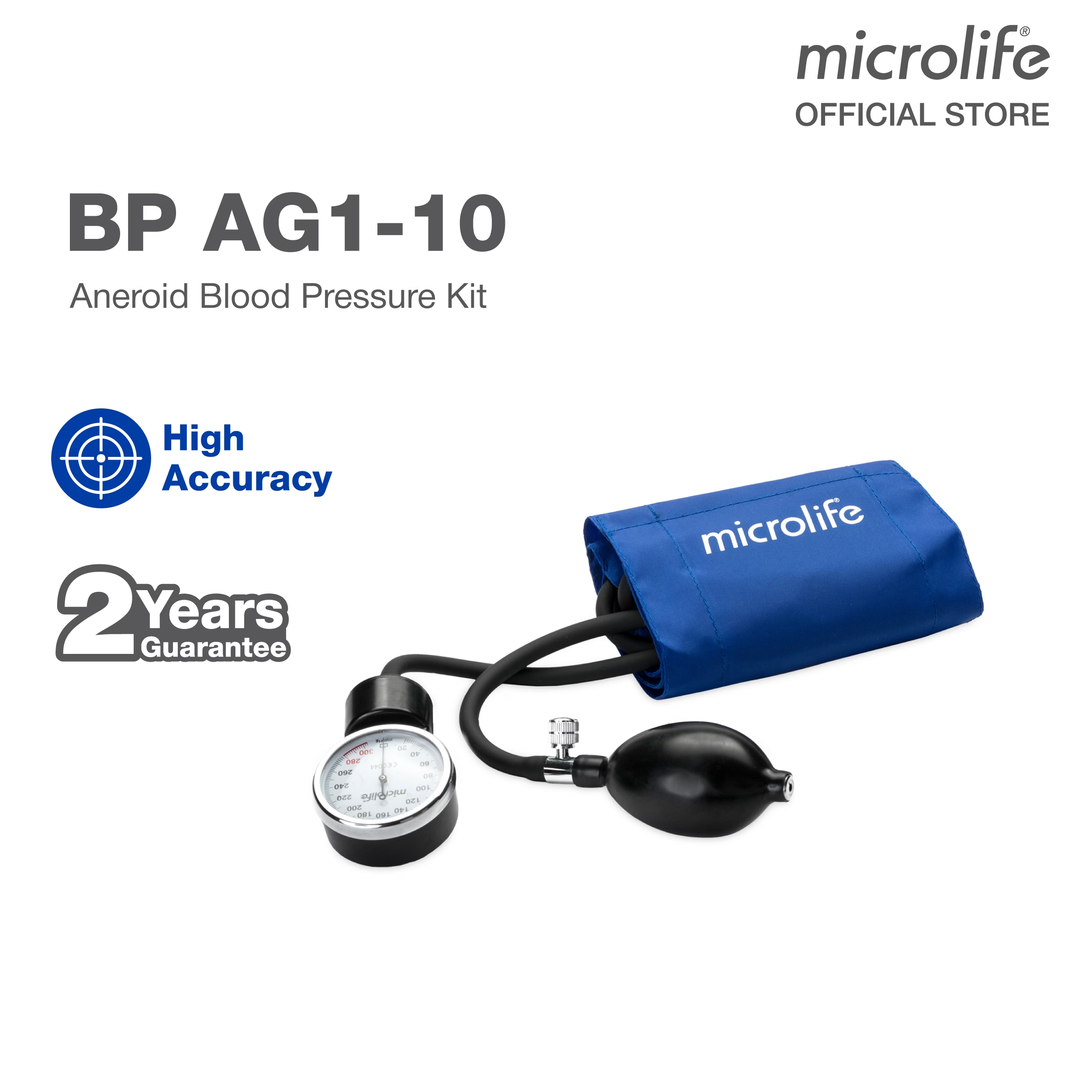
| Clinical skills training | Manual aneroid | Mechanical gauge, cuff, bulb and stethoscope | Microlife BP AG1-10 |
| Flexible power | Digital upper-arm | USB or rechargeable power | Selected Oxymed / Yuwell models |
Features such as Bluetooth, larger memory and rechargeable batteries improve convenience; they do not by themselves establish better blood pressure accuracy.
Blood pressure monitor prices in Nepal range from approximately NRs. 2,100 to NRs. 9,200 at VisionX. Basic manual and entry-level digital monitors start around NRs. 2,100, mid-range home monitors generally fall around NRs. 3,000–5,999, and advanced models extend to approximately NRs. 9,200 depending on features and model.
| Approximate price range | Typical features | Suitable for |
|---|---|---|
| NRs. 2,100–2,999 | Basic automatic upper-arm and manual aneroid options | Individual home checks, students and basic clinical training |
| NRs. 3,000–5,999 | Automatic monitors with additional memory, wider cuffs, Bluetooth or other convenience features | Routine home monitoring and shared households |
| NRs. 6,000–9,200+ | Advanced features such as AFib detection, Bluetooth or expanded data storage | Users who specifically need additional monitoring functions |
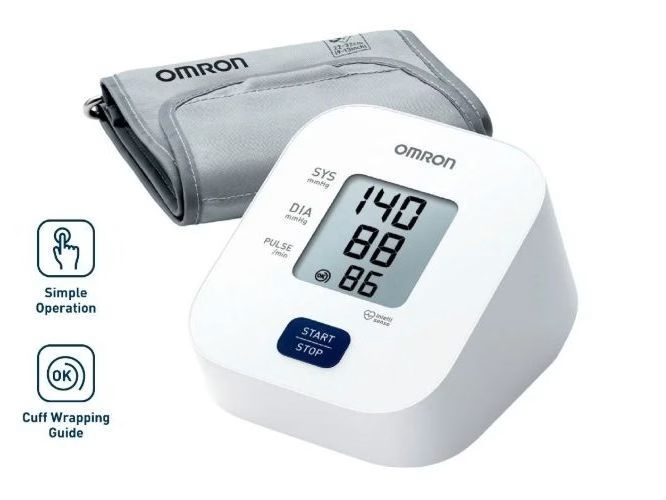
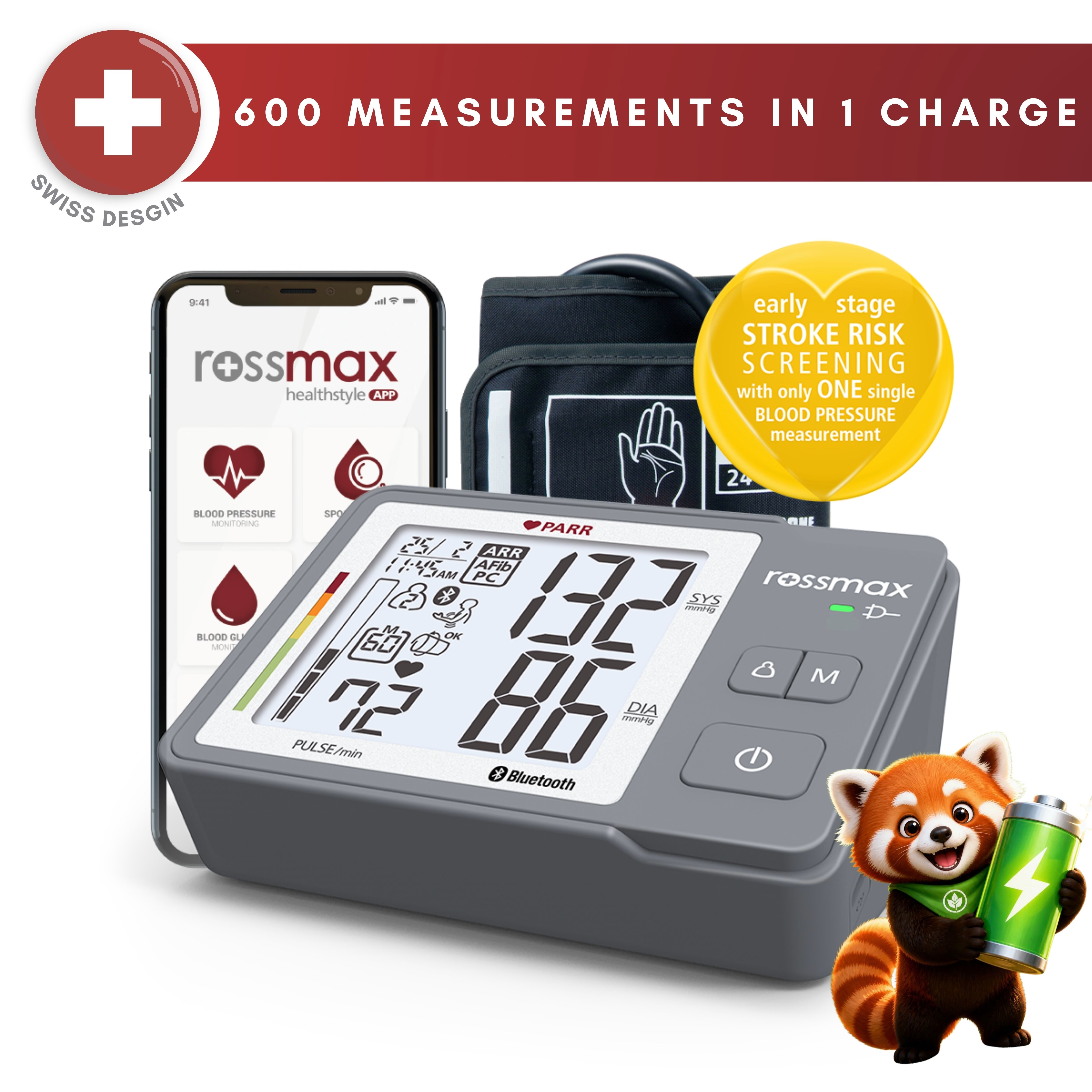
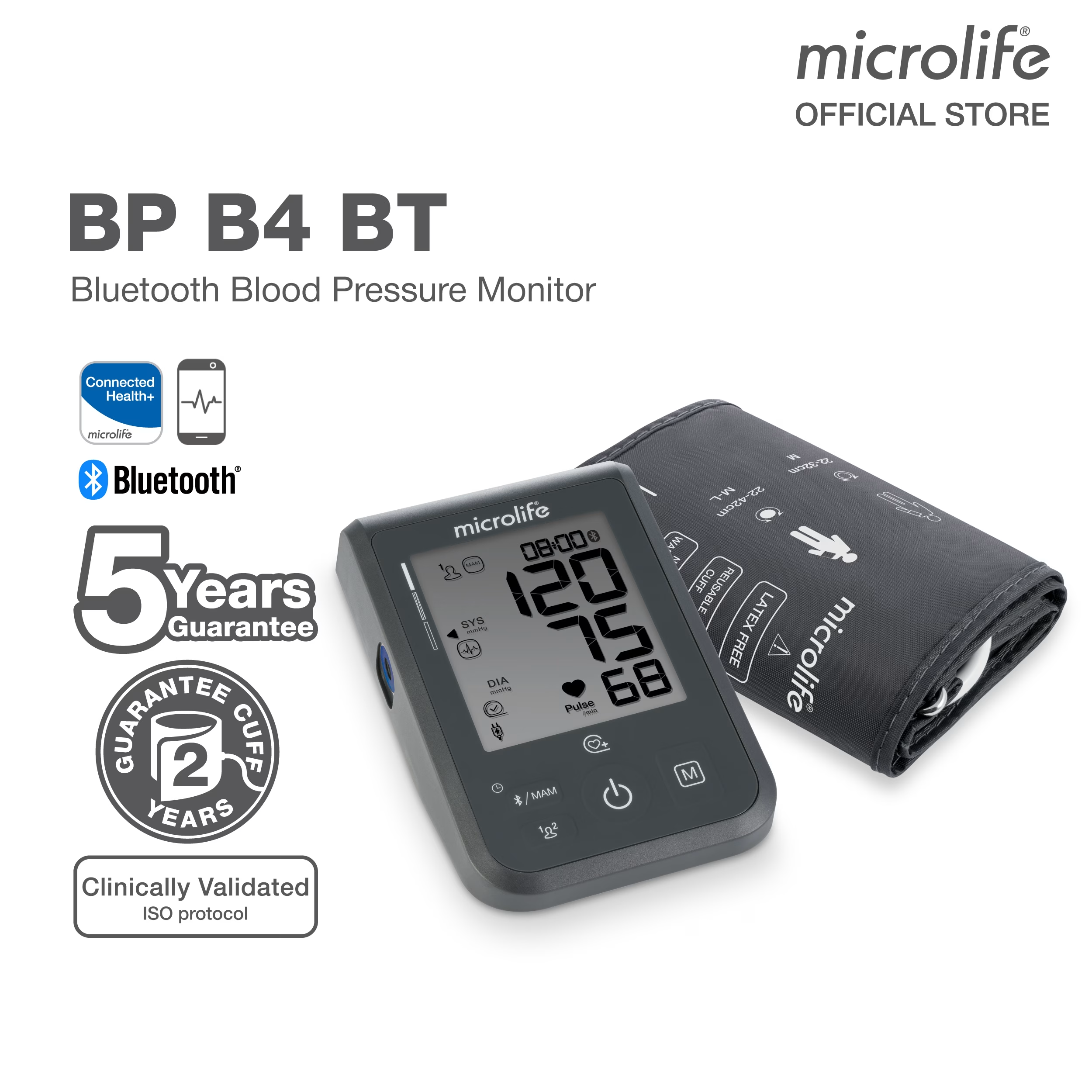
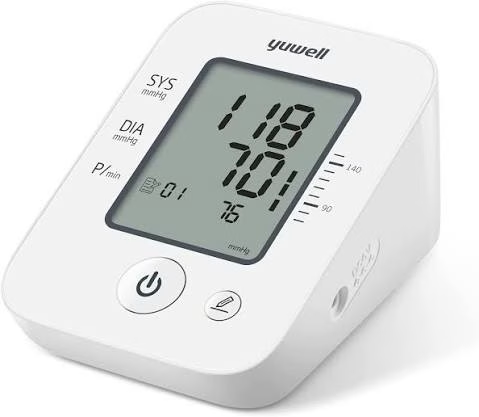
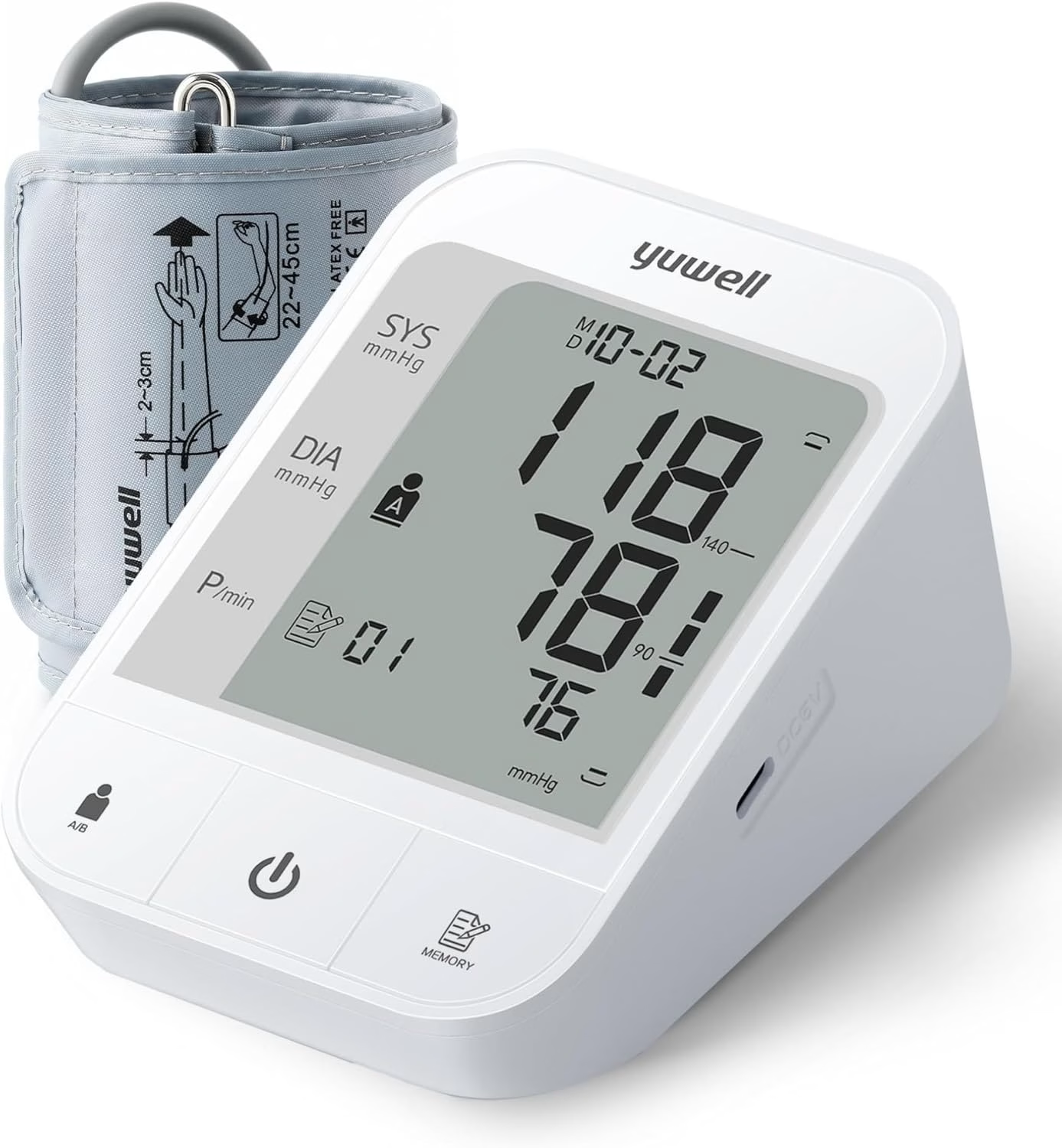
Current VisionX listings include models such as the Microlife BP AG1-10 at NRs. 2,100, Yuwell YE610D at NRs. 2,200, Oxymed BPCO-01 at NRs. 3,000, Microlife BP B3 AFIB at NRs. 5,000 and Rossmax Z5 PARR at NRs. 9,200. Prices and availability can change.
A higher-priced monitor is not automatically more accurate. Cuff fit, validated measurement performance and correct measurement technique are more important than premium features alone.
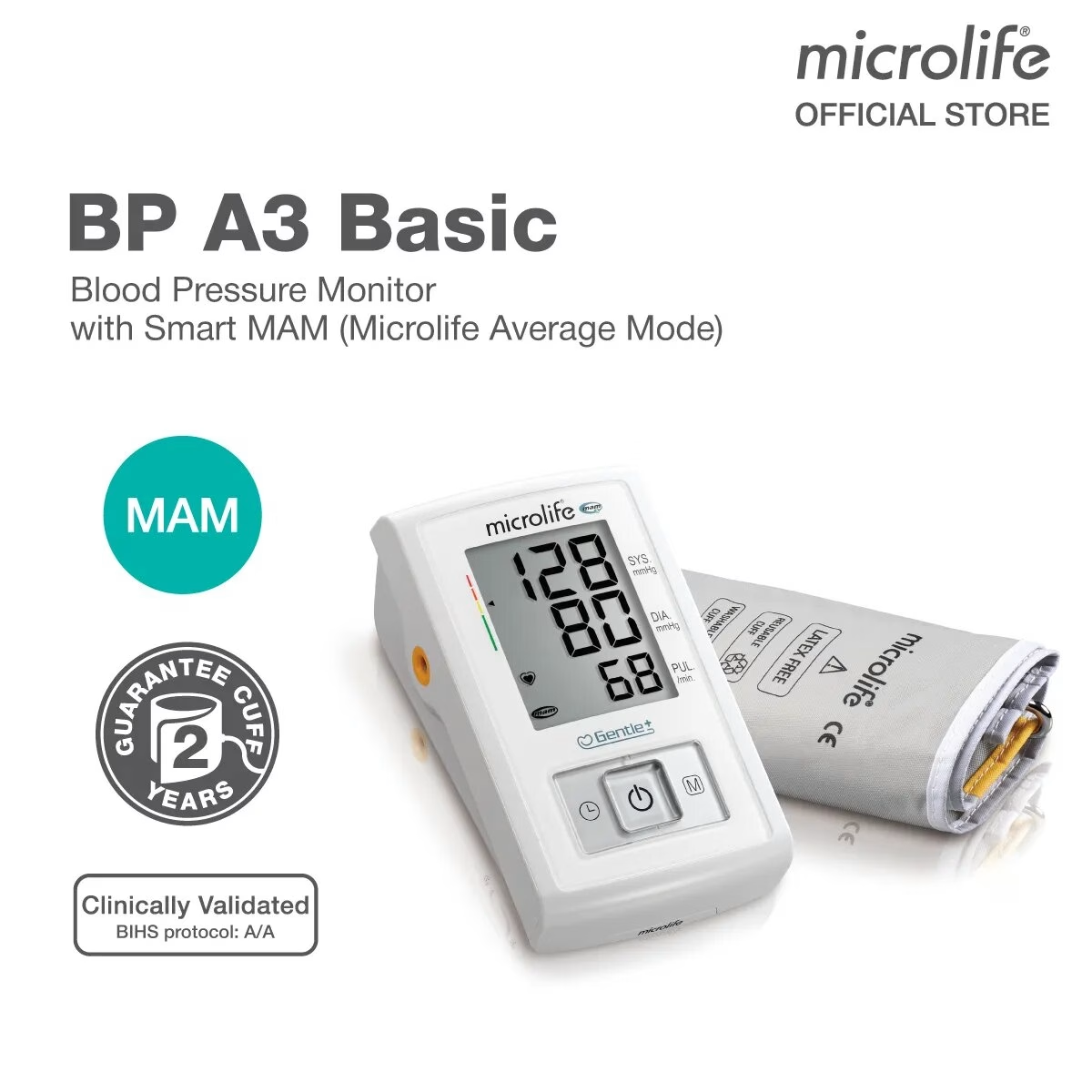
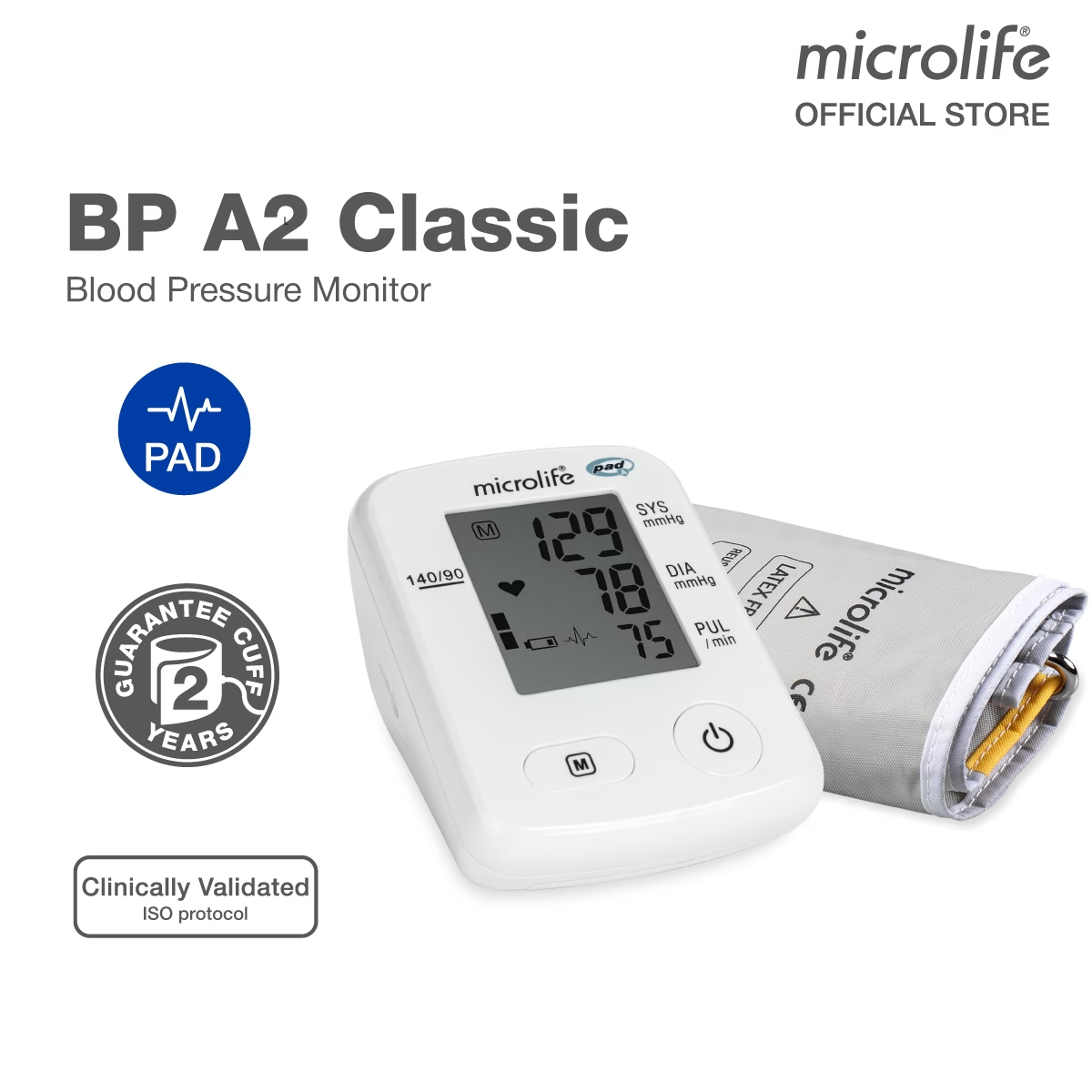
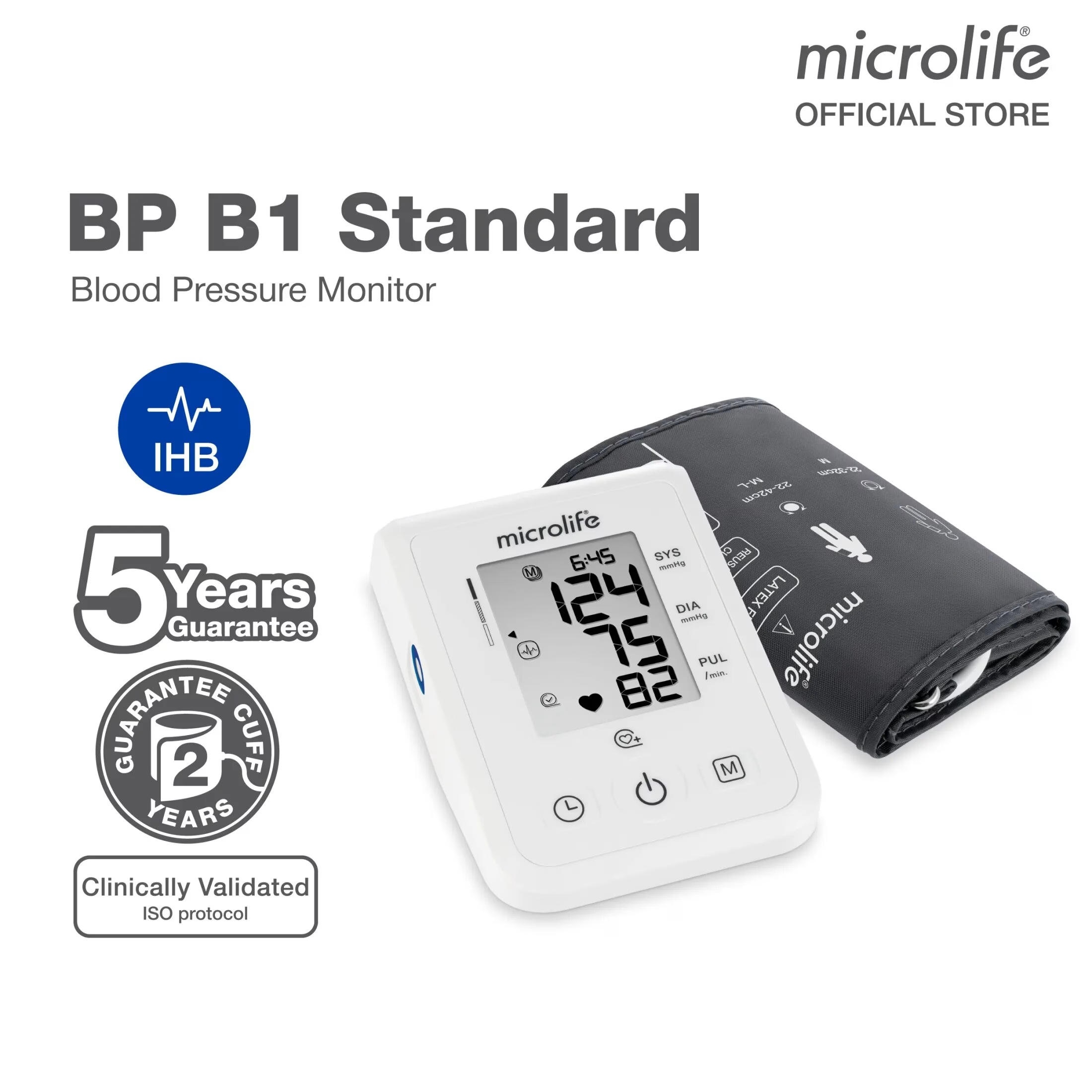
Automatic upper-arm monitors use an inflatable cuff around the upper arm and an oscillometric measurement system to estimate blood pressure and pulse.
For routine home monitoring, automatic upper-arm devices are generally preferred. They reduce the need for manual pressure reading and are easier for many users to operate consistently.
When comparing upper-arm monitors, check the cuff range, model-specific validation status, display, memory, user profiles and any additional functions required.
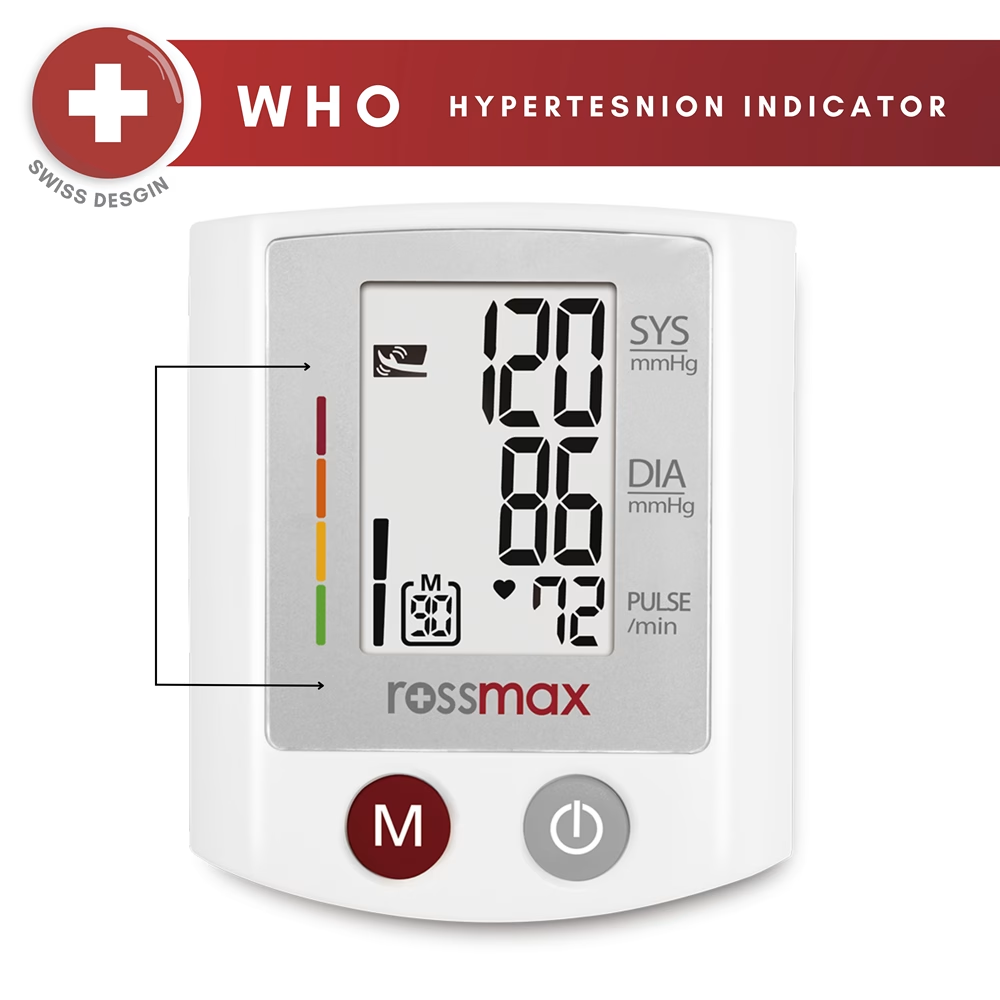
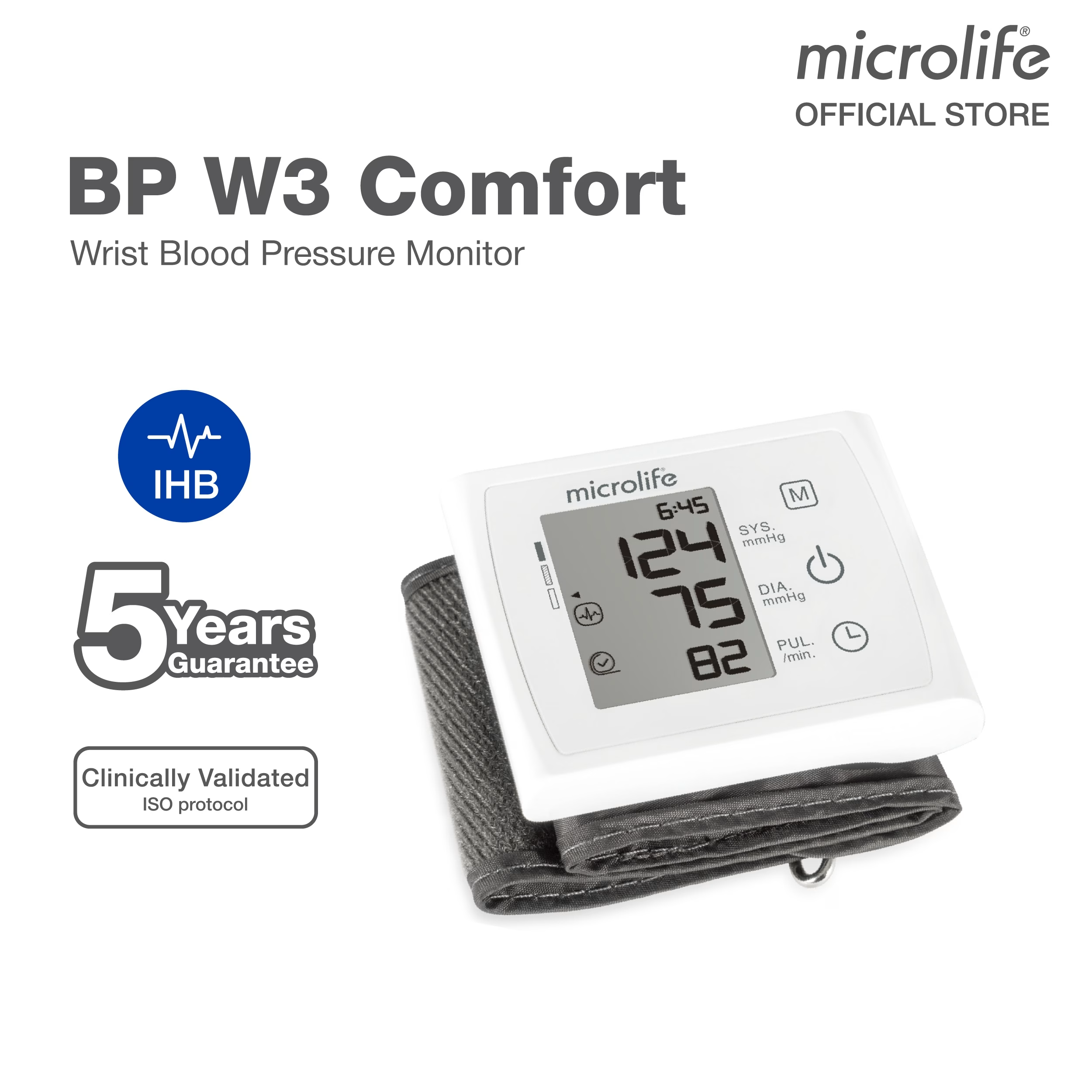
Wrist monitors measure blood pressure at the wrist rather than the upper arm. Their compact size can make them convenient for travel and portability.
Wrist measurements are more sensitive to positioning. The wrist and monitor must be positioned correctly at heart level, and the arm should remain still during measurement.
For routine home monitoring, an appropriately fitted automatic upper-arm monitor remains the preferred starting point. A validated wrist monitor may be appropriate when portability, arm circumference or another specific clinical consideration makes it more suitable.
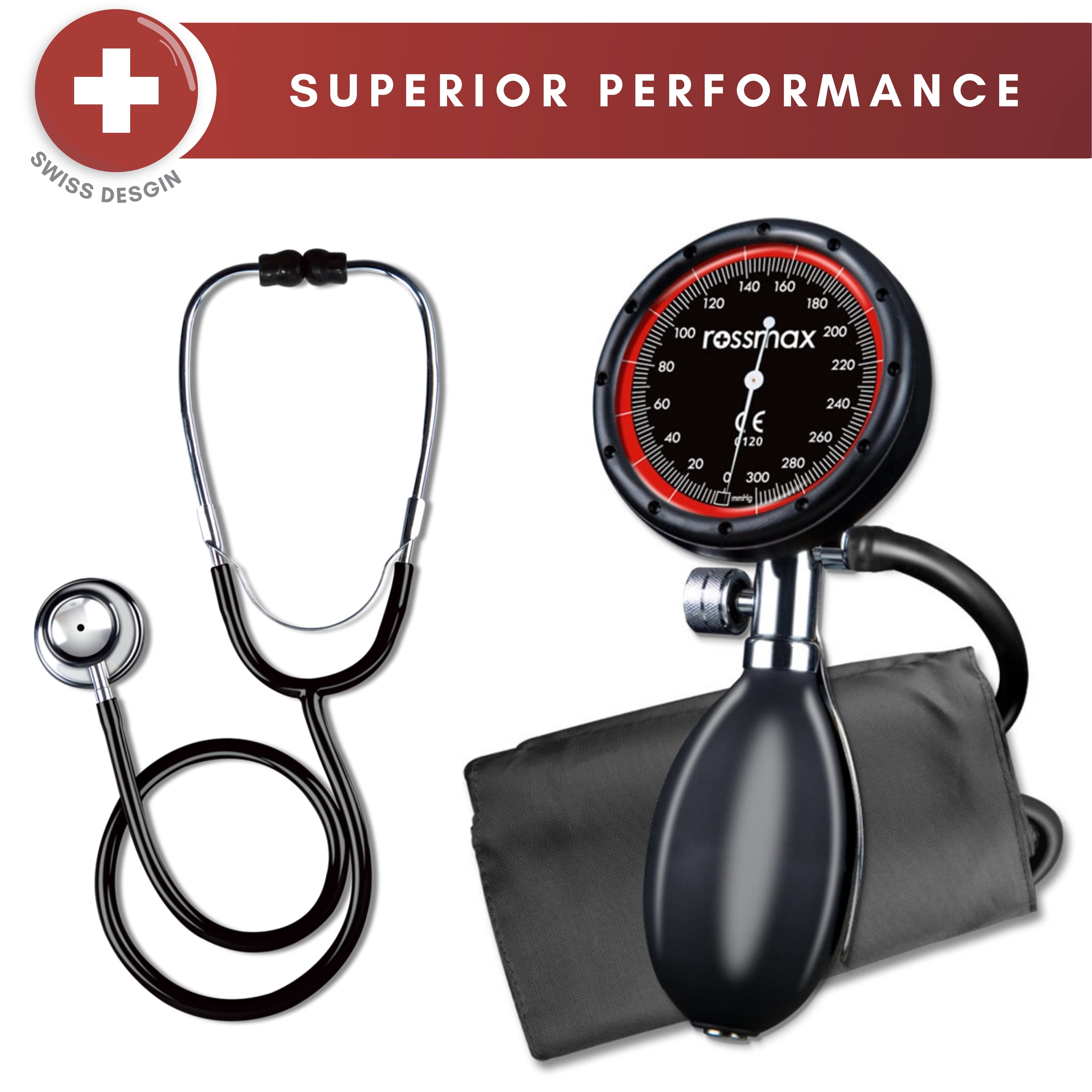
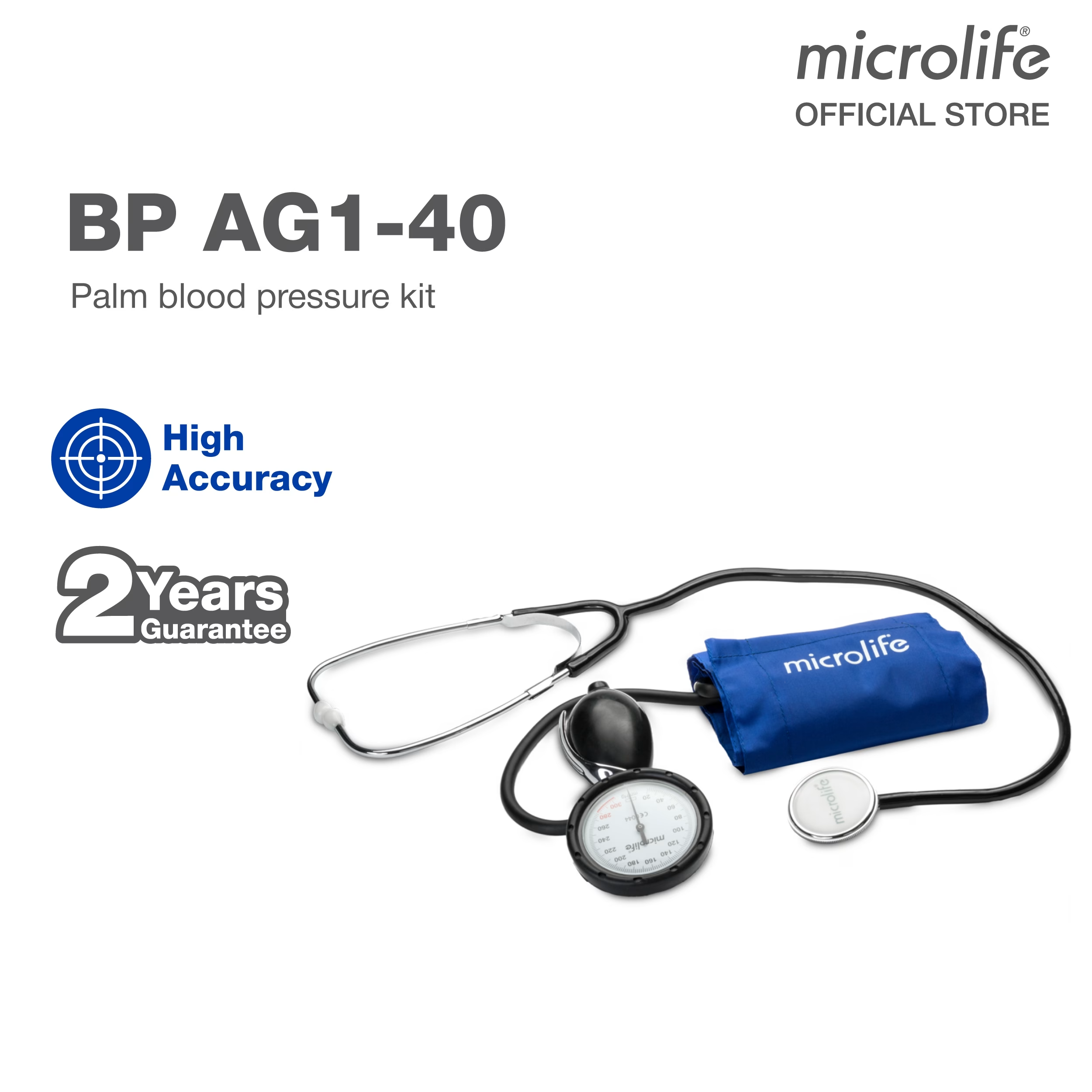
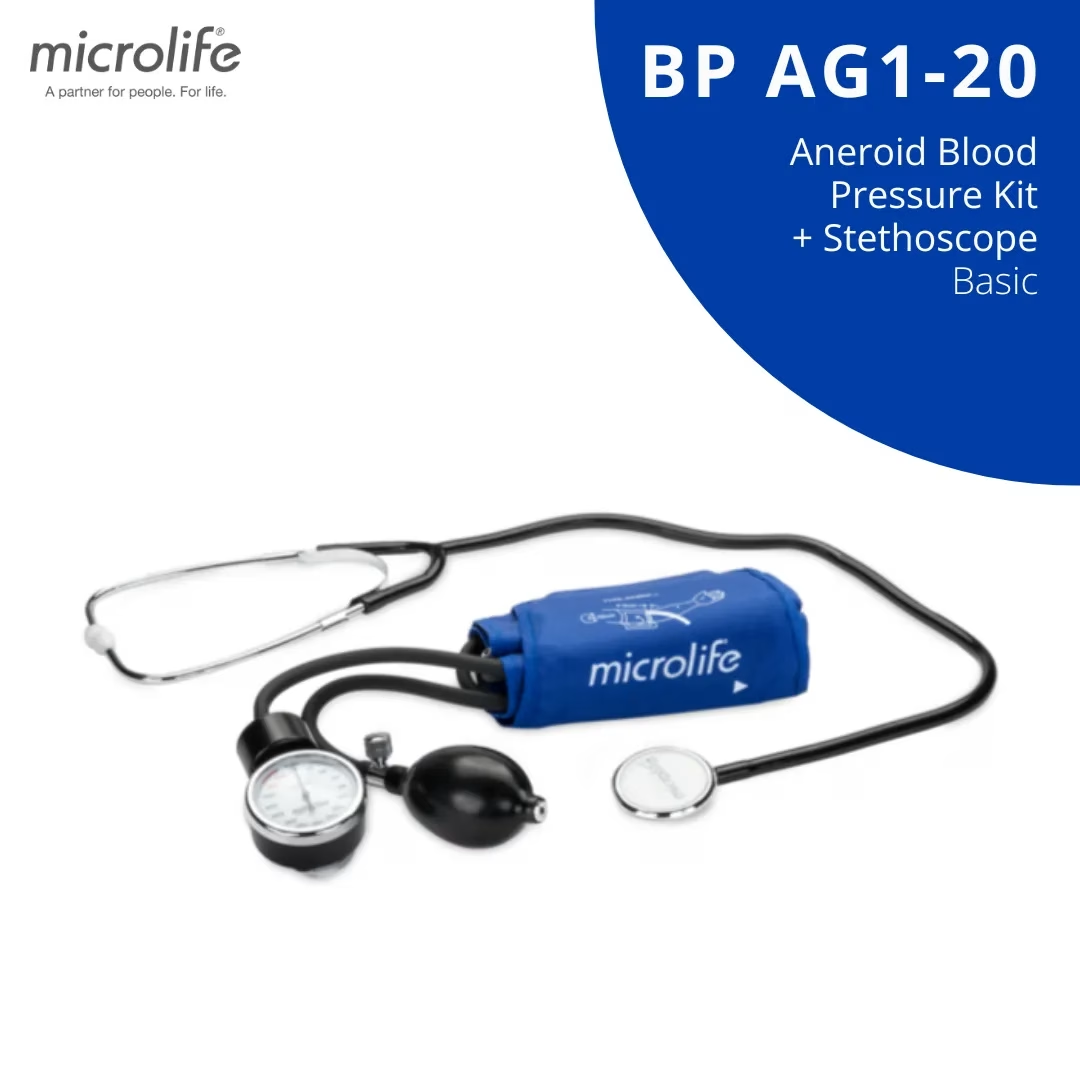
Manual aneroid monitors combine a cuff, inflation bulb, mechanical pressure gauge and stethoscope. Blood pressure is determined by listening for Korotkoff sounds during controlled cuff deflation.
Manual monitors are useful for healthcare training and trained users who can perform auscultatory measurement correctly. Mechanical construction does not eliminate the need for appropriate accuracy checks and maintenance.
Cuff fit is one of the most important specifications when choosing a blood pressure monitor.
Measure the circumference of the upper arm and compare it with the cuff range specified for the exact monitor. Do not assume that a cuff labelled “universal” will fit every adult.
| Example cuff range | General application |
|---|---|
| 22–32 cm | Smaller to average adult arms |
| 22–42 cm | Wider adult coverage and many shared households |
| Other ranges | Model-specific, larger, smaller or special-population applications |
An undersized cuff can require greater pressure to compress the arm and may overestimate blood pressure; an oversized cuff can underestimate the reading. The effect depends on the relationship between cuff and arm dimensions, which is why the manufacturer's stated cuff range matters.
For children, pregnancy or other special populations, use a device and cuff specifically appropriate for that population.
Validation means that a device has undergone a recognised process to assess its measurement performance against an accepted reference method.
Validation is model-specific, not simply brand-specific. A reputable manufacturer, regulatory marking or higher price should not be treated as proof that every model has been independently validated.
When validation matters, check the exact model in recognised resources such as STRIDE BP or ValidateBP. STRIDE BP distinguishes validated devices from its more narrowly defined preferred devices, while ValidateBP uses an independent review process for devices listed on its validated device listing.
Memory stores previous measurements for later review.
Single-user memory may be sufficient for individual monitoring. Separate profiles are useful when two adults share the same monitor because each person's readings remain separated.
Memory improves record keeping; it does not itself improve measurement accuracy.
IHB or irregular-heartbeat detection can identify an irregular pulse pattern during a blood pressure measurement.
It is an additional indication rather than a diagnosis of a particular heart rhythm disorder. An unexpected or repeated alert should be discussed with a healthcare professional when appropriate.
Some blood pressure monitors include a dedicated atrial fibrillation detection function.
This feature is intended to identify patterns suggestive of AFib during measurement. It does not diagnose AFib, replace an ECG or directly determine stroke risk.
The Microlife BP B3 AFIB, for example, combines AFIBsens, irregular-heartbeat detection and MAM three-measurement functionality.
Bluetooth can transfer readings to a compatible application for digital record keeping and review.
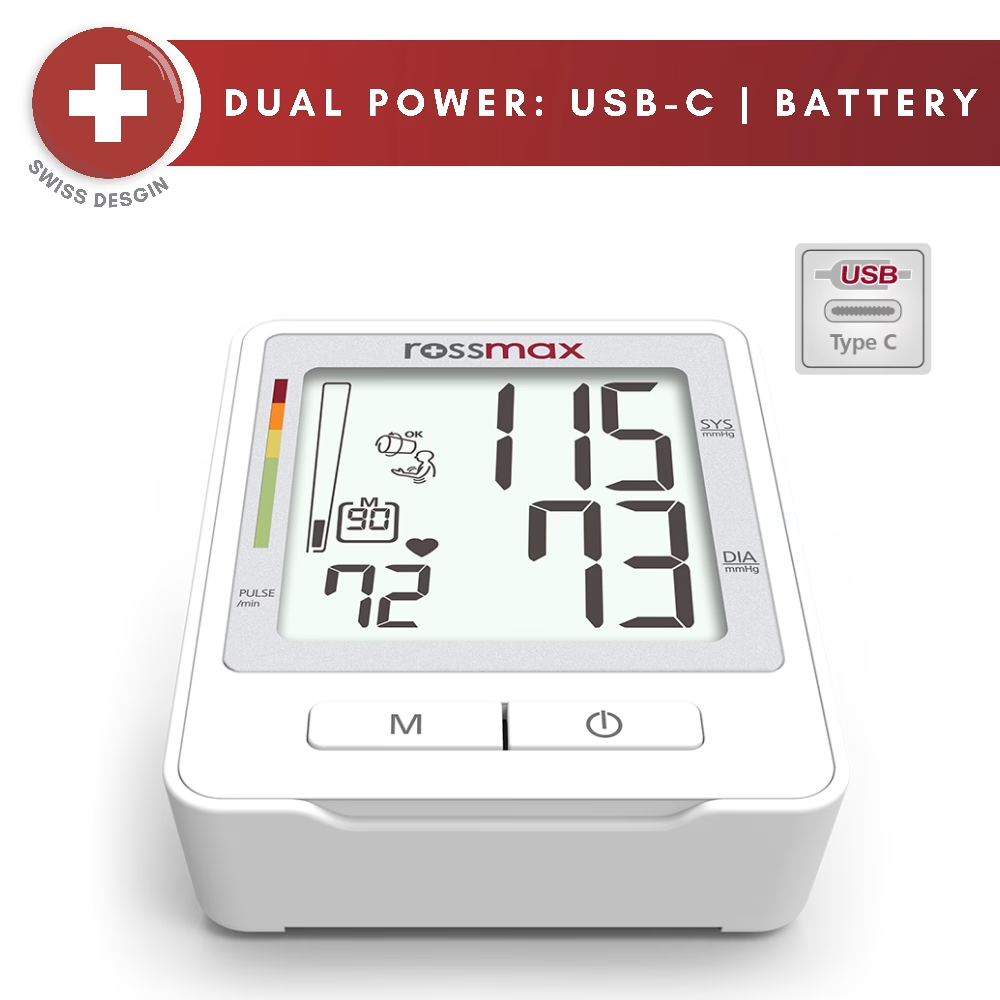
USB or rechargeable power can make frequent use more convenient, while conventional battery-powered monitors remain practical when batteries are readily available.
These are convenience and data-management features, not substitutes for validated measurement performance and correct technique.
Correct measurement technique matters as much as choosing an appropriate monitor. Use a consistent routine and follow the instructions supplied with the specific device.
For at least 30 minutes before measuring, avoid smoking, caffeine and exercise. Empty the bladder before taking the reading.
Sit quietly for at least five minutes with the back supported, feet flat on the floor and legs uncrossed. Avoid talking, texting or other distractions during the measurement.
Place the cuff on bare skin rather than over clothing. For an upper-arm cuff, position the lower edge about 2–3 cm above the elbow crease, unless the manufacturer's instructions specify otherwise. Align the manufacturer's artery marker where indicated.
Wrap the cuff snugly around the upper arm. One finger should fit easily between the cuff and arm; two fingers should fit only very snugly. If the cuff's stated size range does not match the measured arm circumference, use an appropriately sized cuff.
Rest the arm on a stable surface so the middle of the cuff is approximately at heart level. Keep the hand and arm relaxed.
Take two readings about one minute apart and record the results. Taking readings at consistent times can make long-term trends easier to interpret.
A single reading is only a snapshot. Repeated measurements taken with consistent technique provide more useful information for ongoing blood pressure monitoring.
A blood pressure monitor measures blood pressure; it does not by itself diagnose hypertension, heart disease or a heart rhythm disorder.
Do not start, stop or change prescription blood pressure medication based solely on home readings without medical advice.
If a blood pressure reading is higher than 180/120 mmHg, wait at least one minute and take another reading. If it remains that high, contact a healthcare professional promptly. If very high blood pressure occurs with symptoms such as chest pain, shortness of breath, back pain, weakness or numbness, vision changes or difficulty speaking, seek emergency medical care.
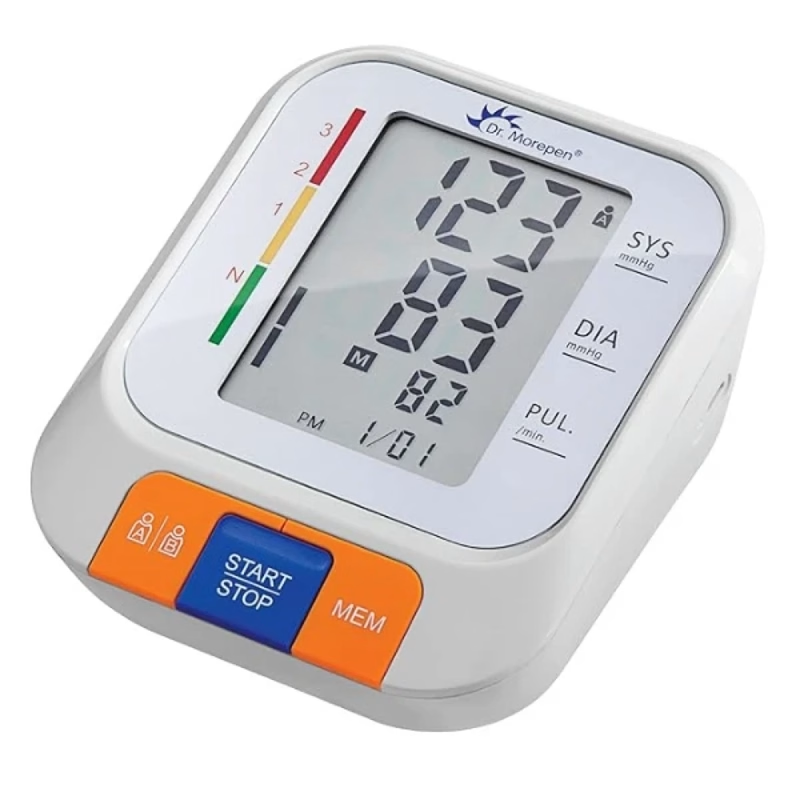
VisionX offers automatic upper-arm, wrist and manual aneroid blood pressure monitors from brands including Omron, Microlife, Oxymed, Rossmax, Yuwell, Dr Trust and Dr. Morepen.
Compare models by measurement type, cuff range, validation status, memory, connectivity, power options and monitoring features before choosing a device.
For most home users, start with the fundamentals: an appropriate measurement site, a correctly fitted cuff, a suitable validated model and a measurement routine that can be followed consistently.