
 Seller
Hot
Seller
Hot
NRs. 8,000
Check the latest commode chair price in Nepal. Buy bedside, folding, portable, and adjustable commode chairs with warranty and fast delivery.
Seller
Hot
 Seller
Best Seller
Seller
Best Seller
 Seller
New
Seller
New
 Seller
Best Seller
Seller
Best Seller
 Seller
 Seller
 Seller
 Seller
 Seller
 Seller
 Seller
 Seller
 Seller
 Seller
 Seller
 Seller
 Seller
 Seller
Try a different search or clear the filters.
When walking to the bathroom becomes difficult because of age-related mobility changes, injury, post-operative recovery, weakness, or limited movement, a commode chair brings toileting closer to the user. It can be placed beside the bed or in another accessible location, reducing unnecessary walking and making everyday toileting more manageable for both the user and caregiver.
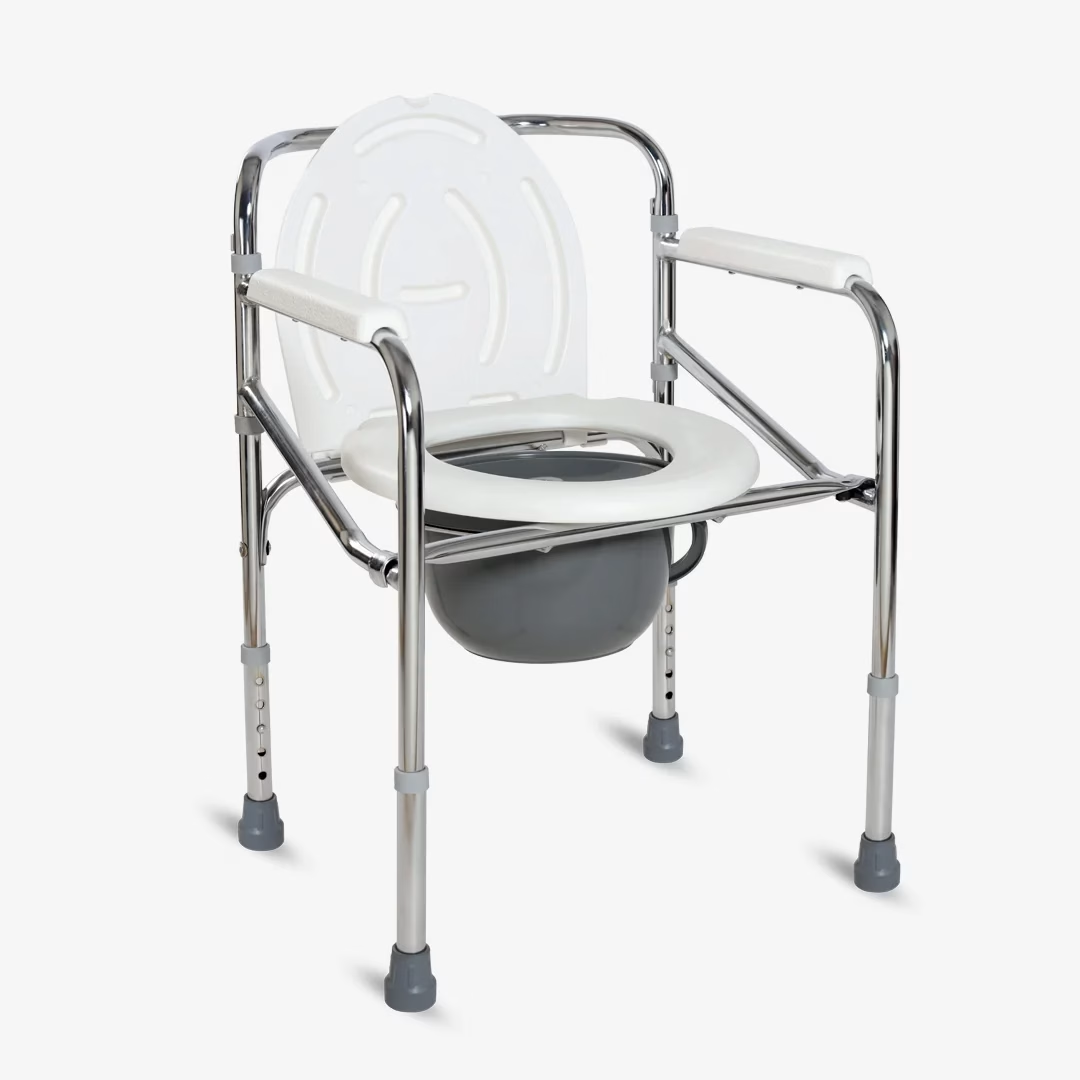
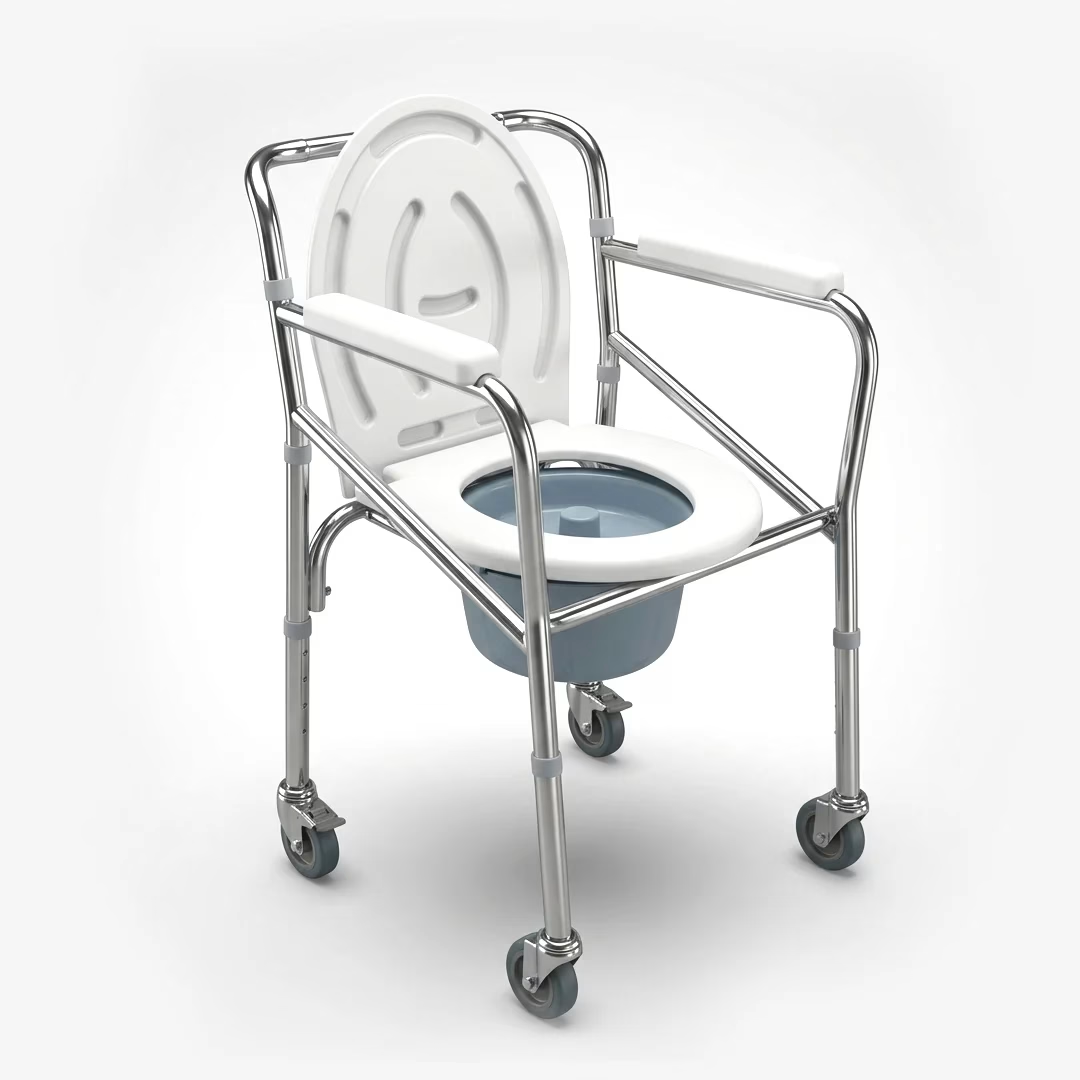
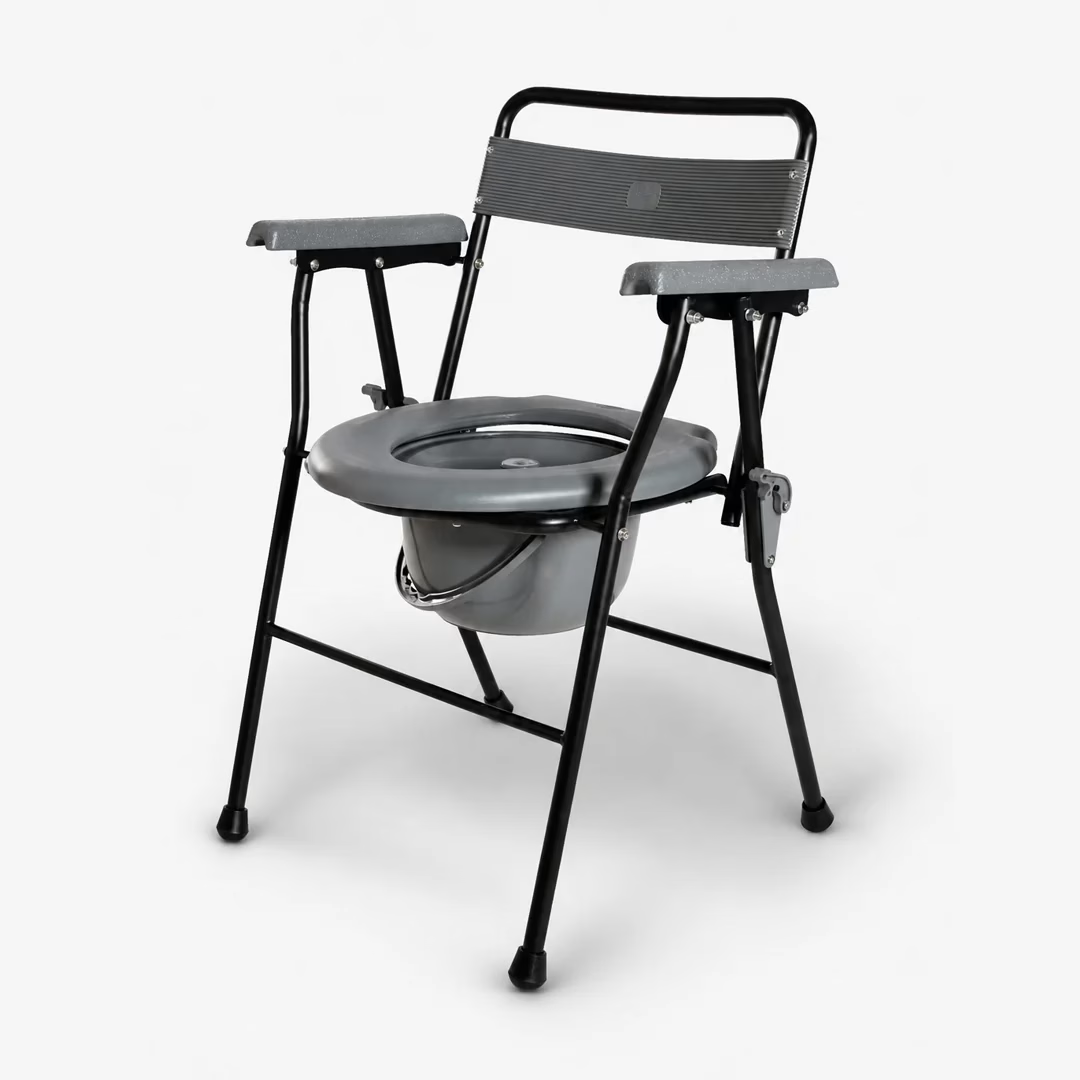
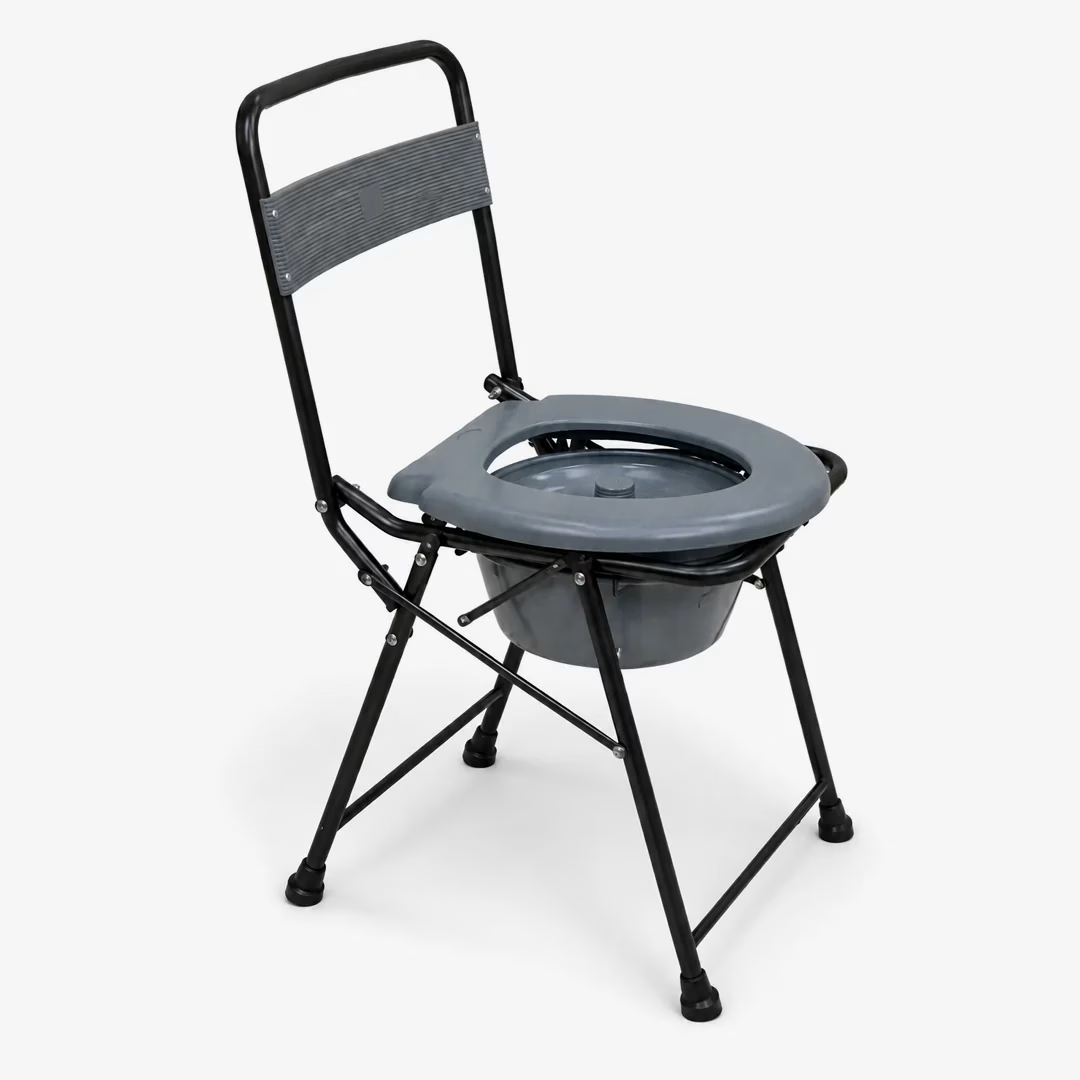
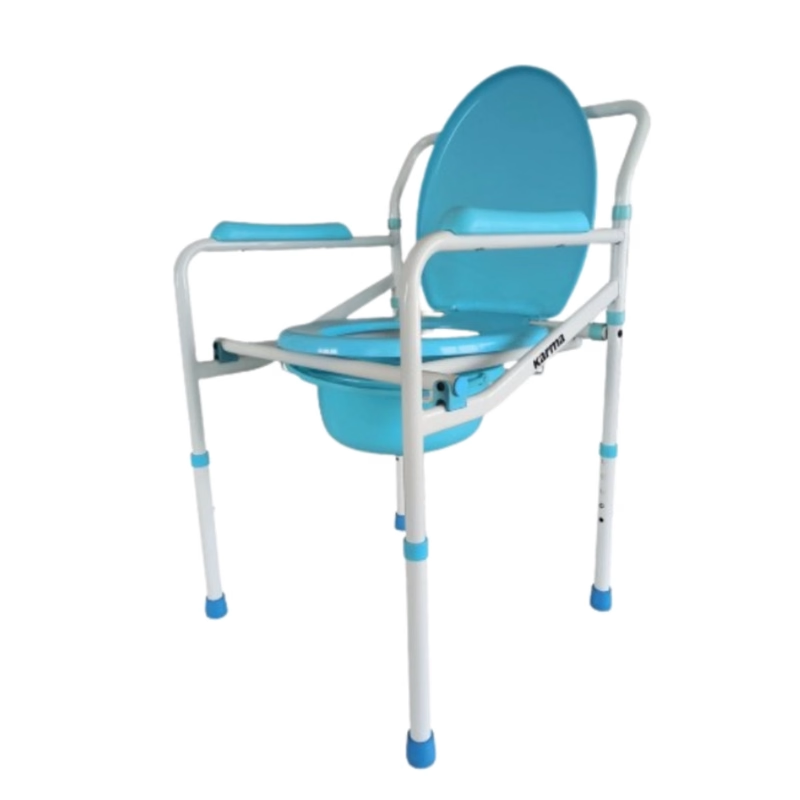
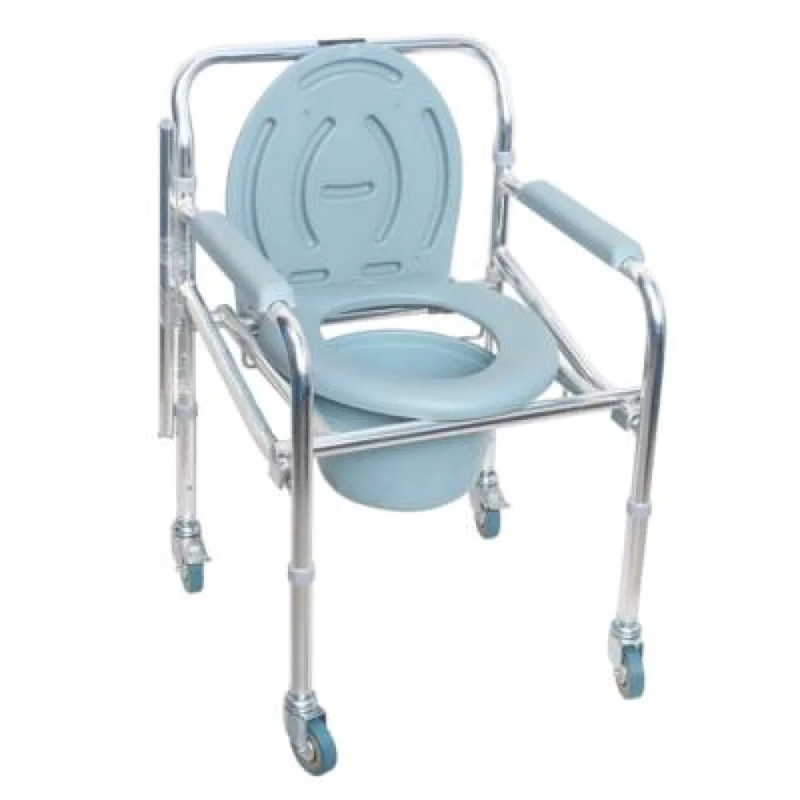
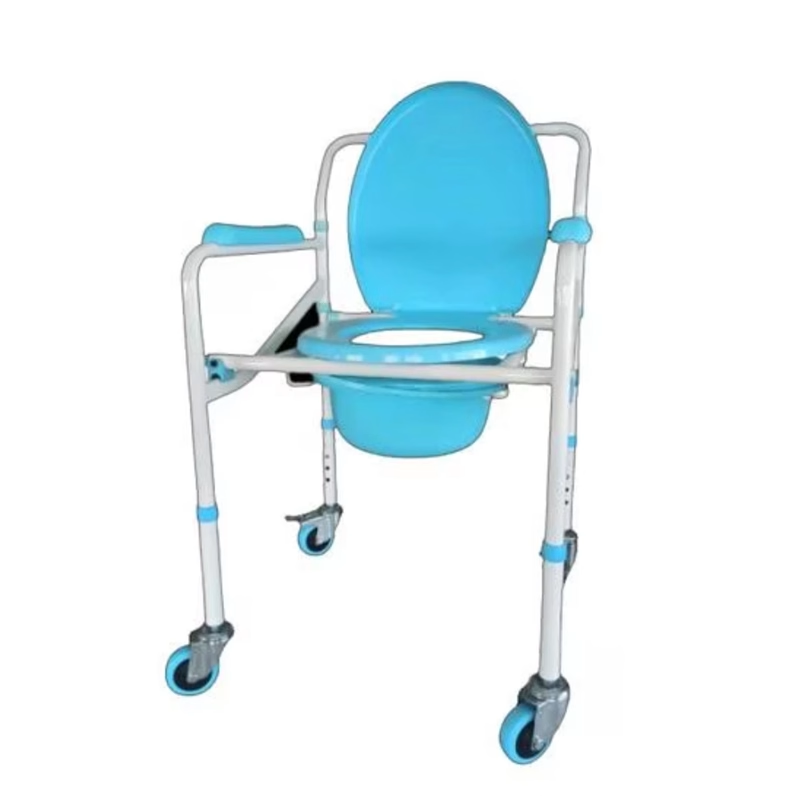
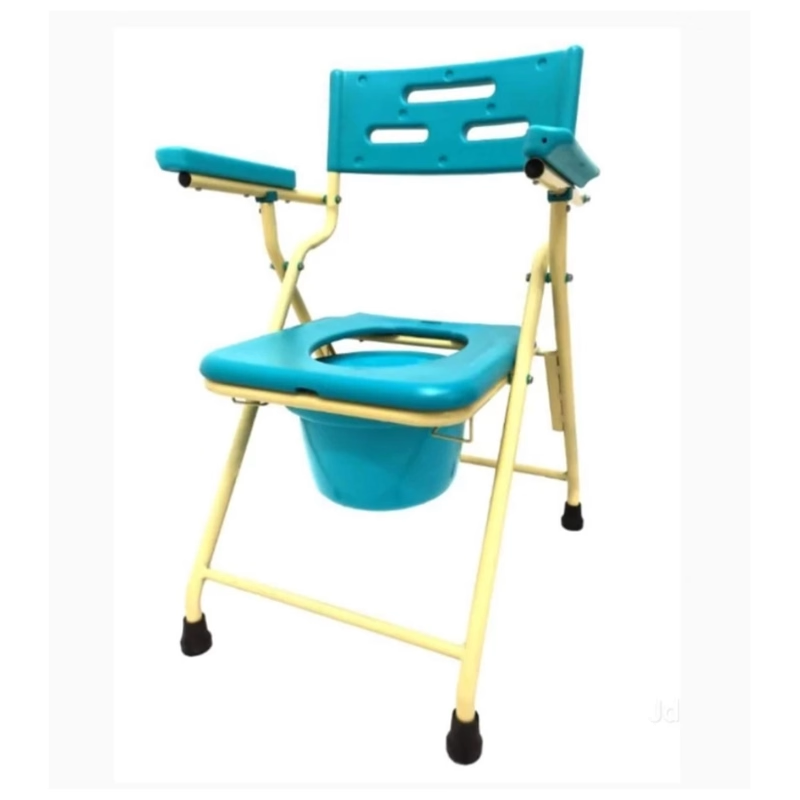
Commode chair prices in Nepal currently range from NPR 2,000 to NPR 9,500 on VisionX, with options from Karma, Flamingo, Tynor, and Medemove. The range includes basic bedside, height-adjustable, commode chairs with wheels, and multi-function designs. The right choice depends on the user's mobility, transfer ability, body size, available space, and level of assistance required.
| If you need... | Consider... | Current price range | VisionX examples |
|---|---|---|---|
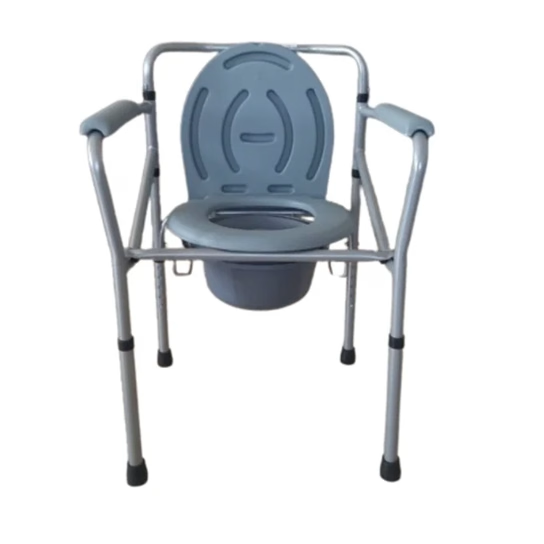
| A simple bedside toileting solution | Basic or compact commode | NPR 2,000–4,800 | Karma Ryder 215, Flamingo basic models |
| Greater versatility from one frame | A model with multiple functions | Varies by model | Check individual product specifications |
| Adjustable seating height | Height-adjustable commode | NPR 5,200–6,000 | Tynor, Medemove |
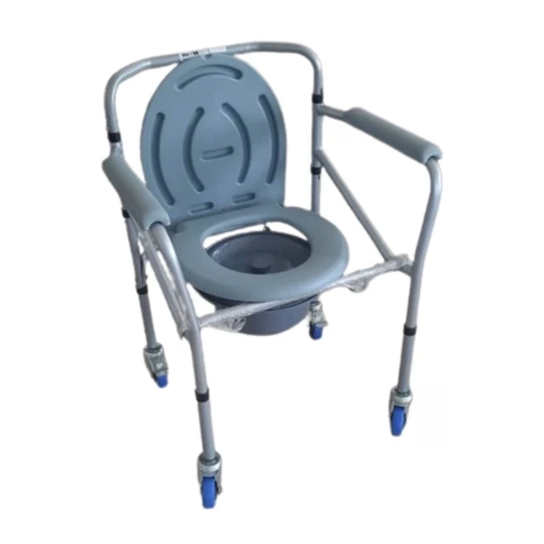
| Assisted movement or repositioning | Commode chair with wheels | NPR 7,500–9,500 | Tynor, Flamingo, Medemove |
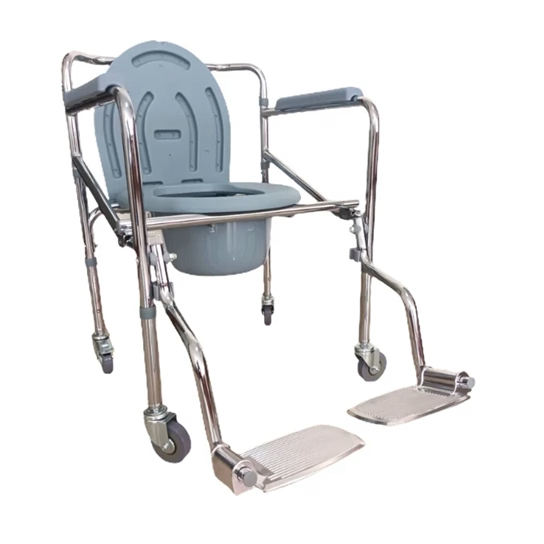
| Additional lower-leg support | Commode chair with wheels and footrest | Around NPR 9,500 | Selected Medemove model |
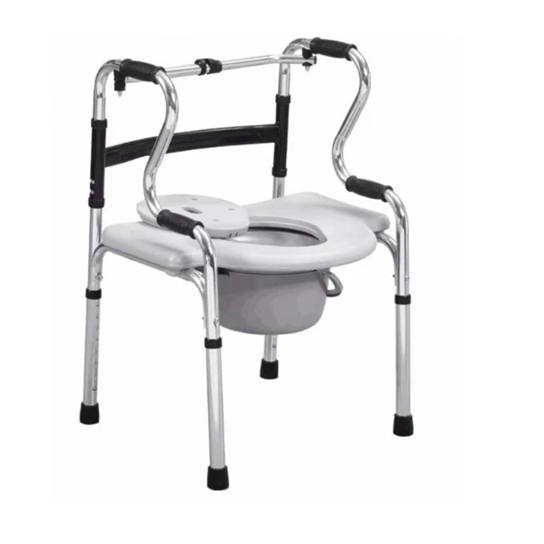
| Mobility support plus toileting | Walker-commode design | Around NPR 8,000 | Medemove Multi-Function Walker with Commode |
Prices and availability can change. Check the individual product listing for current specifications, weight capacity, dimensions, and included features.
Start with how the chair will actually be used, rather than choosing by price or appearance alone.
Step 1 - Decide where it will be used.
For bedside toileting, a basic or height-adjustable commode may be sufficient. If it needs to be positioned over a compatible toilet, look for a model specifically designed for that configuration.
Step 2 - Assess how the user moves.
If the user can stand and pivot safely, a stationary commode may be the simplest choice. If a caregiver needs to reposition the user over a short indoor distance, a commode chair with wheels may be more practical. If the user needs substantial mobility support, consider whether a walker-commode or a separate mobility aid and toileting solution would be more appropriate.
Step 3 - Choose the required seating height.
If the user struggles to sit down or stand up from a low seat, consider a height-adjustable model. For people recovering from hip replacement who have specifically been instructed to avoid hip flexion beyond 90°, a higher seating position may also help support those precautions.
Step 4 - Check transfers and armrests.
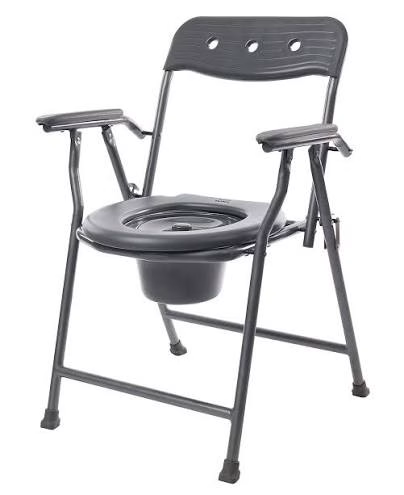
A person who can stand and pivot may benefit from fixed armrests that provide push-off support. For lateral or slide-board transfers, drop-down or detachable armrests can provide better side clearance.
Step 5 - Confirm the physical fit.
Check the user's weight, seat dimensions, available doorway clearance, bedside space, toilet dimensions, and, where relevant, squat-pan clearance. The chair should fit the environment without creating a new transfer or stability hazard.
Step 6 - Check the product specifications.
Before ordering, confirm the weight capacity, overall dimensions, seat height, wheel and brake configuration, footrest, bucket capacity, armrest design, and intended use on the individual product listing.
The best chair is not necessarily the most expensive or feature-rich model. It is the one that matches the user's mobility, transfer method, environment, and level of assistance.
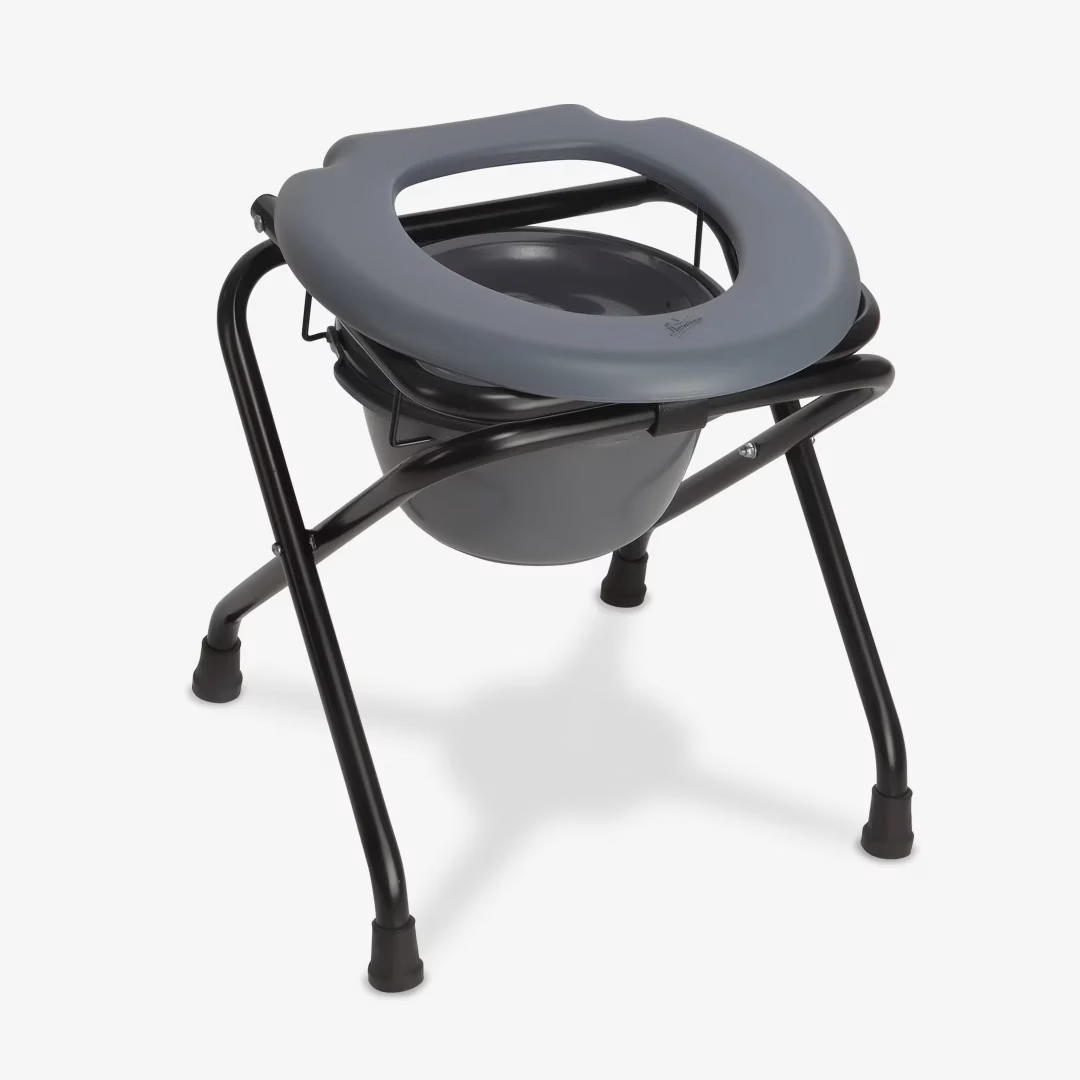
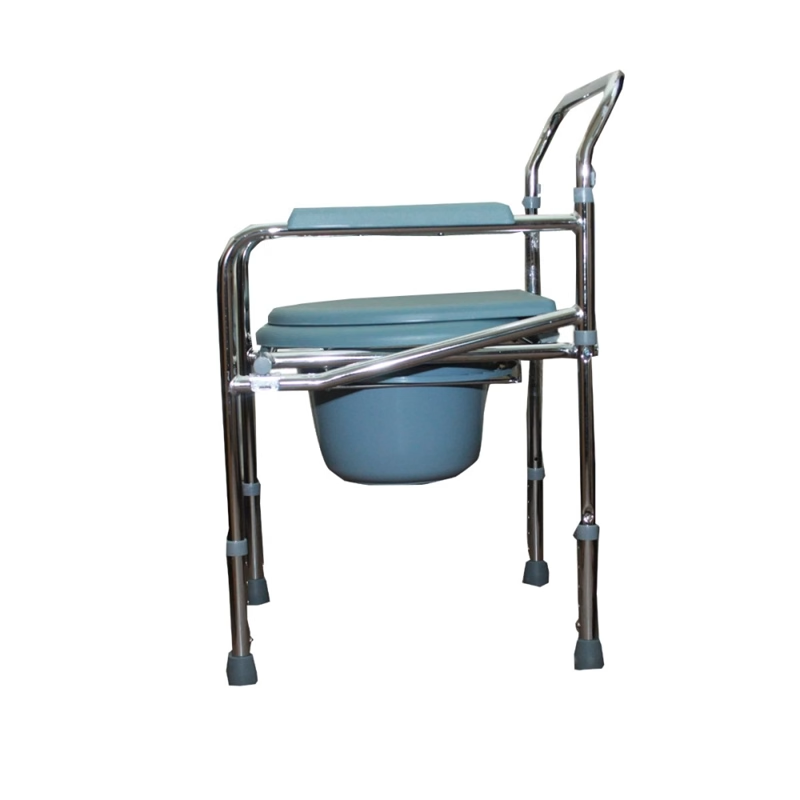
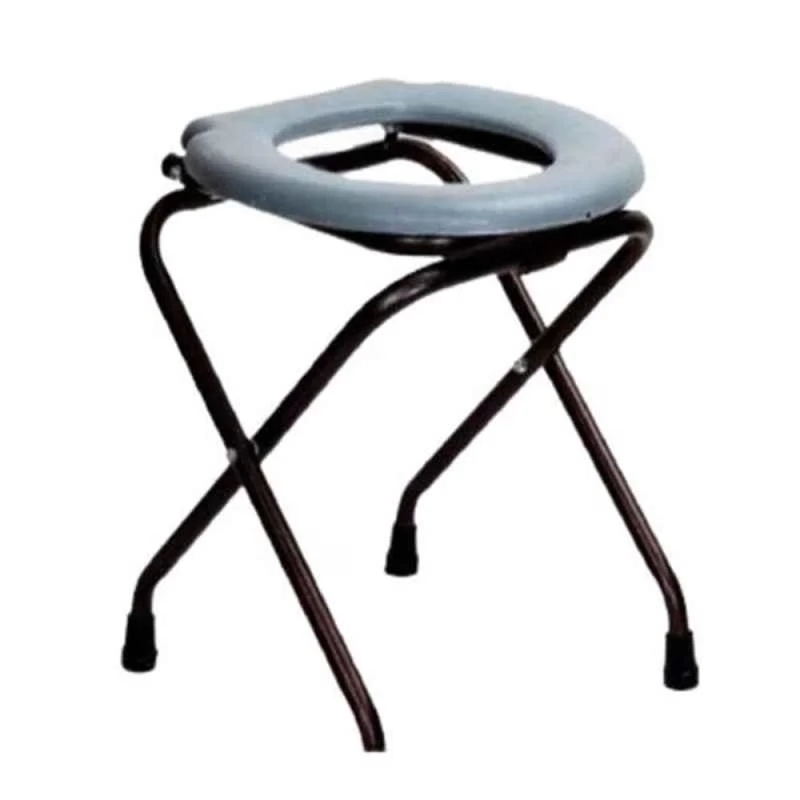
Basic commode chairs provide straightforward bedside toileting when the user does not need assisted movement or more complex positioning features.
Some models are designed as 3-in-1 commodes, offering greater versatility from a single frame. Where the specific model supports all three functions, it can provide bedside toileting, raised-toilet support, and toilet-frame support from one frame, reducing the need for multiple separate aids.
A discreet bedside setup with a secure lid can also help maintain personal dignity and reduce anxiety for users who feel vulnerable when they need assistance.
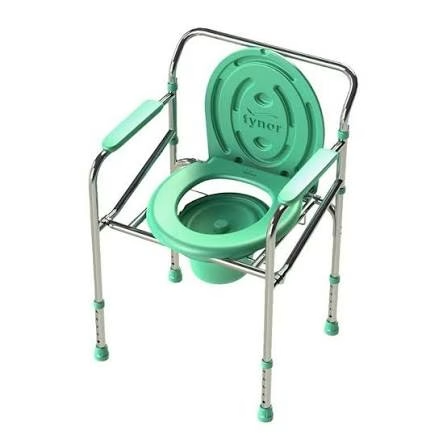
Height-adjustable models allow the seat position to be changed to better suit the user's body and transfer requirements. The correct height can make sitting down and standing up more manageable and may help align the chair with the bed or toilet.
Some height-adjustable designs may also provide additional functions, but these should be confirmed on the individual product listing rather than assumed.
For people recovering from hip replacement who have specifically been instructed to avoid hip flexion beyond 90°, an appropriately raised seat may help support those precautions. As a practical positioning reference, the seat should allow the patient's hips to remain slightly higher than the knees when seated, helping keep the hip angle wider than 90°. Follow the surgeon's or rehabilitation team's instructions.
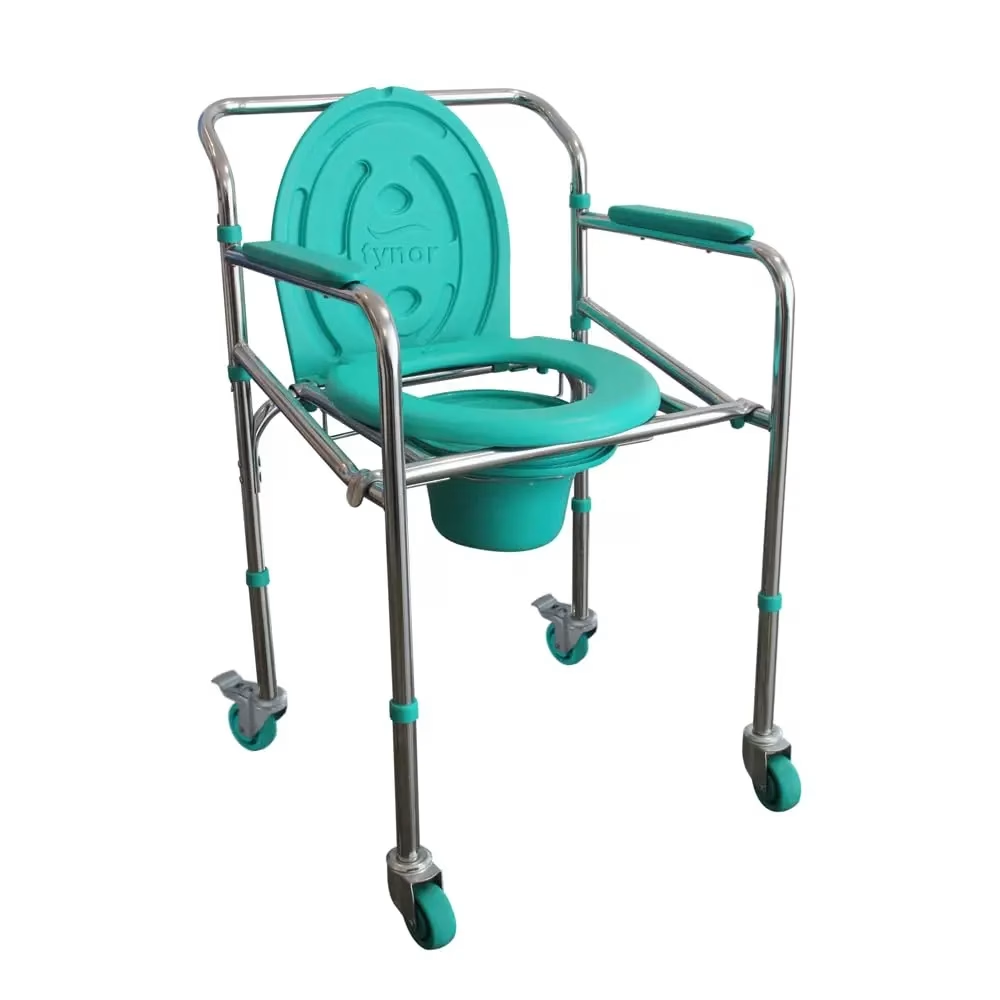
Commode chairs with wheels can make caregiver-assisted repositioning over short indoor distances easier when walking to the bathroom is difficult.
A commode chair with wheels is primarily a toileting aid. Some models may also be designed for caregiver-assisted patient transport, but this must be confirmed from the individual product specifications. Do not use a commode chair for seated transport simply because it has wheels.
Do not assume that a commode chair with wheels is suitable for independent mobility, outdoor use, prolonged transport, or uneven surfaces unless the manufacturer specifically states that it is.
Commode chairs with wheels typically have foot-operated brakes on the rear castors, although some models have locks on all four wheels. Before any transfer, engage the available castor locks firmly and check that the chair does not roll.
Walker-commode designs combine mobility support with toileting functionality. They may suit people who need walking assistance while also benefiting from having a toileting option close at hand.
Check the individual model's walking support, seating arrangement, dimensions, and weight capacity before use. A walker-commode is not necessarily a substitute for a dedicated mobility aid.
Molded plastic seats are generally easy to clean, while padded seats may offer greater comfort for users who spend longer periods seated.
Check the individual product specification for seat material, padding, and intended use.
Weight capacity varies by model. As a general market reference, many standard commode chairs support users up to around 100 kg, while some heavy-duty models are designed for approximately 120–125 kg.
Always confirm the rated capacity of the specific chair before purchase.
Measure the area beside the bed, bathroom entrance, doorways, and turning space before choosing a chair.
As a rough planning guide, many standard commode chairs with wheels are around 60–70 cm wide, but actual dimensions vary. Compare the selected chair's overall width with the narrowest doorway or passage it needs to cross.
At the bedside, aim for approximately 3 feet (about 1 metre) of clear working space where possible so a caregiver has room to assist without working in a cramped or awkward position.
Also check for raised door sills or thresholds, as small castors may catch against an abrupt edge and affect chair stability. Follow the manufacturer's handling instructions when moving the chair across thresholds.
The user's transfer method should influence the armrest design.
If the user has significant weakness, poor balance, or difficulty transferring safely, professional assessment from a physiotherapist, occupational therapist, or physician may be appropriate.
For height-adjustable models, check the spring-loaded push pins on every leg.
Each push pin should audibly click into place and fully protrude through its adjustment hole before the chair bears weight.
Make sure all four legs are adjusted evenly and securely. Do not use the chair if a pin is partially engaged or a leg appears loose.
The collection pail is an important practical feature that is easy to overlook.
Top-loading pails are removed from above, which may require the user to stand or transfer away from the chair before the caregiver can lift the container out.
Rear- or side-access slide-out pails, where provided, allow the caregiver to remove the container without immediately requiring the user to stand again. This can be particularly helpful when the user is tired or recovering from surgery.
Collection capacity varies by model, so check the individual product specifications before purchase.
When disposing of a filled collection pan, use the supplied handle and lid where provided, and follow the manufacturer's handling instructions.
Some commode chairs can be positioned over a standard Western toilet, but compatibility depends on the chair's dimensions, clearance, seat height, and design.
For an Indian-style squat toilet, select models can be used over the squat pan provided the frame has sufficient clearance and remains stable. Check the individual product dimensions and design before attempting this setup.
All four rubber feet should sit flat on stable, level flooring. If the frame rocks, tilts, or places any feet on the sloped portion of the squat pan, do not use that setup.
If using the commode with its collection pail attached over a squat pan, confirm that the bucket does not contact the floor or footplates and does not interfere with the frame's stability.
Place the chair on a stable, level surface and keep the surrounding area free from loose mats, cords, standing water, and other trip hazards.
For adjustable models, ensure the legs are securely locked at the same height. For models with wheels, engage the brakes before transfers.
Before every use:
Good hygiene and regular inspection are important for any commode chair.
For bedside use, commode liners with absorbent pads can simplify waste disposal and help reduce leakage and odor, particularly where the bathroom or waste-disposal point is not immediately accessible.
When a compatible commode frame is positioned over an existing toilet without its collection bucket, a splash guard or sleeve may help reduce splashing and improve hygiene. Compatibility varies by frame and accessory, so check the manufacturer's recommendations.
Avoid harsh chemicals or abrasive cleaning methods that may damage the chair's finish or components.
VisionX is a healthcare marketplace connecting customers with healthcare products and services from multiple sellers. This gives shoppers access to different commode-chair brands, configurations, and price points in one place.
For eligible orders, VisionX offers:
Delivery and return eligibility can vary by product, seller, and delivery location. Check the individual product listing and applicable terms before ordering.